The state of the Copenhagen housing market in 2025
15 October 2025 · 9 min read · Market news
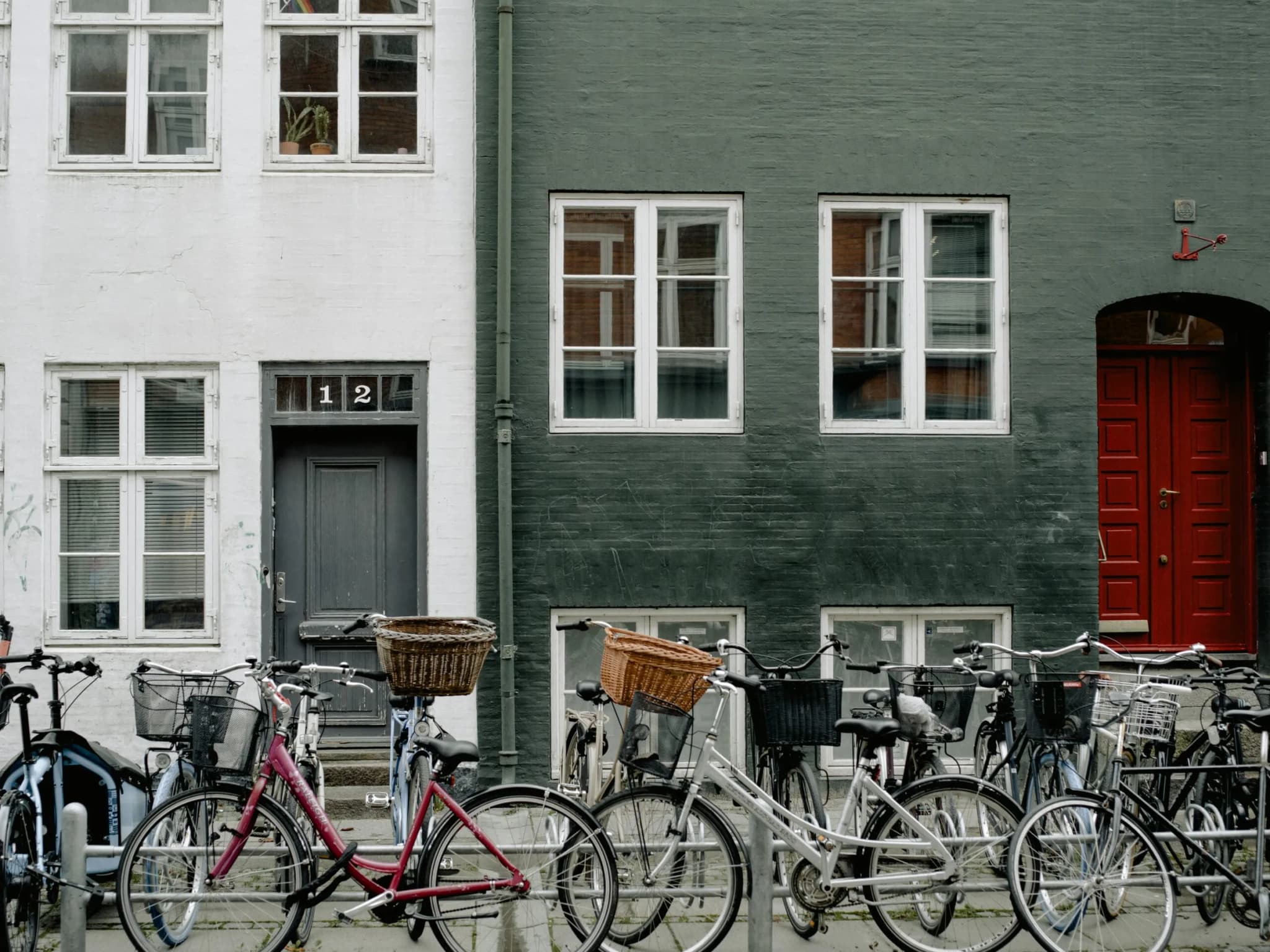
Over many years, the housing market in Copenhagen has gone through significant changes, marked by rising prices and shifting buying behaviour among consumers. Cherry trees and concrete have gone hand in hand, while house prices have shown a marked upward trend, especially in the larger cities. Over this period, several factors have contributed to the development of the housing market, such as low interest rates, economic growth and a growing number of households. These factors have been closely linked to the general demand for housing, which in turn has had a direct impact on price rises in the housing market.
Data shows that house prices in many areas have risen by several per cent over the last decade. It is important to understand which elements drive these trends to get a clear picture of the current state of the housing market and its future prospects.
In this post, we take a closer look at the specific factors that have influenced the housing market, include an analysis of current price trends and discuss possible consequences of the current situation. The aim is to give a thorough understanding of the housing market, to note whether there are signs of a bubble forming, and what that could mean for potential buyers and investors.
Historical price trends
The Danish housing market has changed markedly over the last ten years, and a close analysis of historical house prices reveals a remarkable trend. Since 2013, we have seen a persistent rise in house prices, driven by a combination of low interest rates, rising demand and limited supply.
Breaking the trend down further, we can identify some years that stand out. In 2020 and 2021, for example, we saw a sharp acceleration in price rises, partly as a result of the pandemic, which changed home seekers’ preferences and accelerated demand for more space and room for a home office.
Compared with earlier periods, the current price trend is unusual. In the past, rises in house prices were often more moderate and spread evenly over time. The current situation raises questions about the stability of the housing market, and many are asking: are we witnessing a bubble? To understand the current situation, it is crucial to look at the underlying mechanisms of the housing market and assess how they may affect future house prices.
The housing market as a long-term investment
The housing market has often been seen as a stable, long-term investment, which can be put down to several basic factors. Historically, property prices have had a general upward trend, which makes property an attractive option for investors. This can be seen in many countries, where house prices have over time overcome short-term swings and recessions. The behaviour of the housing market is also shaped by population growth and urbanisation, which both contribute to a constant demand for housing.
One of the main reasons the housing market is seen as a long-term investment is the way property values rise over time. In many cases, investing in property can not only provide an ongoing income from rent; the value of the property can also rise, resulting in a capital gain when you sell.
In addition, demographic and economic factors play an important role in shaping the stability of the housing market. A healthy economy with job growth and low interest rates often means rising demand for housing. It is important to bear in mind that the housing market is not immune to short-term swings, but the long-term outlook for the sector tends to be optimistic.
Comparison with other major European cities
Copenhagen is a city with a dynamic housing market, and it can be useful to compare it with other major European cities to better understand current market conditions. Cities such as Berlin, Paris, London, Barcelona and Madrid each have their own characteristics and challenges that affect demand for housing and price levels.
In Berlin, the housing market has seen a sharp rise in demand in recent years, driven by a growing population and more people moving to the city. Despite this, house prices are still generally lower than in Copenhagen. This may be because Berlin, compared with Copenhagen, has a more accessible housing situation and a larger supply of homes, which keeps prices at a more moderate level.
Paris, on the other hand, has some of the highest house prices in Europe. Demand in Paris is constantly high, but the housing market is held back by strict regulation and a limited supply of homes. Copenhagen sits somewhere between Berlin and Paris: demand is also rising, but the market is pushed by different factors, including people moving out of the city and policy on social housing.
London is often seen as one of the most volatile housing markets in Europe. Prices are generally far higher than in Copenhagen, as the global financial system has affected demand for luxury homes. Barcelona also stands out: the city has seen a massive rise in tourism-related home purchases, which affects both rents and purchase prices and has become a political issue in recent years, especially among younger Catalans.
Overall, these comparisons make it clear that Copenhagen is a unique market with its own dynamics. With rising demand and strong market conditions, the future of Copenhagen looks interesting when it comes to spotting a bubble in the housing market.
The dynamics of the Copenhagen housing market
In recent years, the Copenhagen housing market has seen marked dynamics, with strong pressure on both supply and demand. The low supply of centrally located apartments is a key factor that has added to the growing interest and demand among buyers and investors. As a result, price levels in some particularly attractive areas have risen considerably. The central districts, such as Nørrebro, Vesterbro and Østerbro, especially attract young professionals who want to live closer to work and to the city’s cultural life.
Competition for homes has intensified, which means sales happen faster than before. Many properties are sold above the asking price, which points to an overheated market. When buyers are willing to bid far above the original price to secure a home, it leads to concerns about a potential bubble in the market.
Several areas of Copenhagen, such as Amager and Valby, are also under pressure. These neighbourhoods have become more popular with families with children and with young people, which attracts developers and investors. This puts further pressure on an overall supply that is already limited. Rising demand has also made rental homes harder to find, which forces many people to move further from the centre, where prices are more affordable.
It is worth noting that the current dynamics in the housing market can have long-term consequences for both tenants and buyers. If prices keep rising without a matching supply, it can create barriers to new home ownership and make things worse for people on lower incomes.
Challenges and possible bubbles
In recent years, the housing market in Denmark has seen marked changes that have caused concern among investors and economic analysts. At the moment, there are several relevant factors that may indicate we are in such a situation.
First, we have seen a consistent rise in house prices, which can be put down to low interest rates that have historically made buying a home more affordable. But low interest rates can also lead to overinvestment, as many buyers are willing to take on more debt to secure a home. As a result, demand can exceed supply, which inflates house prices. A situation like this can create fundamental imbalances that may lead to a correction if interest rates start to rise or employment falls.
In addition, heavy speculation in the Copenhagen housing market plays a new and decisive role. Investors who buy property hoping for a quick profit contribute significantly to price inflation. This creates a self-reinforcing cycle, where more buyers enter the market motivated only by the chance of a rise in value, rather than by the real value of the property and its private or business use. It is important for investors to be aware of these influences, as they increase the risk of sudden price falls when the overheated demand stops.
Forecasts for the housing market
The housing market in Copenhagen has gone through considerable swings in recent years, and analyses point to possible future trends that could affect both prices and buying decisions. The latest data suggests that demand for housing will remain strong, but some factors could change the dynamics.
A key indicator for the future of the housing market is the economic situation. We currently face an uncertain global economy that can have a direct effect on house prices in Copenhagen. Swings in interest rates can reduce the purchasing power of many potential buyers, which could lead to a fall in demand. This can put pressure on house prices, especially in segments that are already overpriced. Conversely, stabilisation and possible growth in the Danish economy can boost buying interest, which in turn can lead to price rises.
Experts expect some types of home, such as owner-occupied apartments in central areas, to keep seeing high demand. The younger generation often moves into the cities to be part of the lively urban environment, which can keep prices stable even in an uncertain period. At the same time, there is growing interest in sustainable housing projects, which suggests that green areas and energy-efficient homes can attract investors and buyers.
Recommendations
In this analysis of the housing market, we have looked at several factors that may indicate whether there is a bubble in the market right now. It is clear that house prices have been rising for a long period, driven by low interest rates and increased demand. However, we also need to consider how inflation and economic uncertainty can affect this trend. In general, it is important to watch economic indicators that could signal a correction in the housing market.
For potential investors, it is essential to do thorough research before making a decision. It is not necessarily a bad time to invest in property, but it requires careful consideration of your financial situation and appetite for risk. We strongly recommend talking to experts in the field, who can give insight into how best to navigate the current market. It can pay to look for properties with potential for a rise in value, rather than simply following current trends.