Apartment prices in Copenhagen level off after months of increases
19 August 2026 · 21 min read · Investment
Apartment prices in Copenhagen level off after months of increases
- The average sale price of owner-occupied apartments in Copenhagen and Frederiksberg was unchanged (0.0%) from June to July 2026, the first time in a year without a monthly price rise
- Since February 2026, monthly price growth has fallen month by month, from sharp rises to a complete standstill in July
- The balance between buyers and sellers has tipped: more sellers are coming onto the market, while fewer sales are completed
After more than a year of almost uninterrupted price rises for owner-occupied apartments in Copenhagen, new July figures from Boligsiden’s market index (in Danish) show that prices have now come to a complete standstill. The average sale price of owner-occupied apartments in both the City of Copenhagen and Frederiksberg Municipality was unchanged from June to July 2026, a change of exactly 0.0 per cent. It is the first time in more than 12 months that prices have not risen.
The development has not come out of the blue. Since February 2026, the monthly price rise has gradually slowed, month by month, until it has now ended at zero in July. At the same time, figures from Boligsiden (in Danish) show that the supply of owner-occupied apartments in Copenhagen rose markedly through the spring and summer. At the start of July, there were 1,630 owner-occupied apartments for sale in the City of Copenhagen, 7.4 per cent more than a month earlier and as much as 25 per cent more than at the same time last year.
For homeowners, investors and not least landlords who are thinking of buying or selling in the capital, this turn is of fundamental importance. It signals that the overheated market, where homes sold in a few days and at prices far above the asking price, has now been replaced by more normal market conditions. And it raises the central question: has the peak been reached, or is this a temporary pause?
Why have apartment prices in Copenhagen stopped rising?
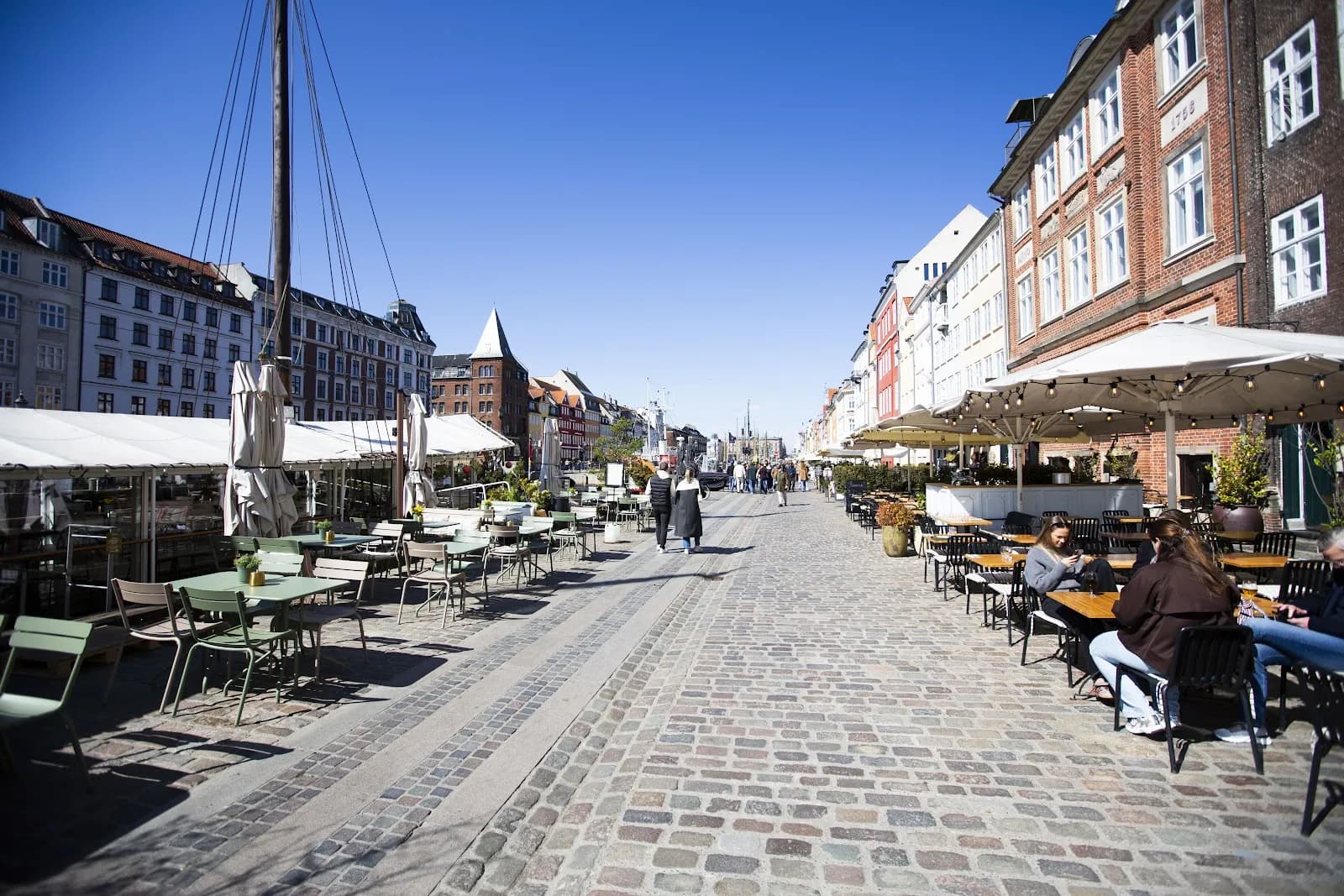
Apartment prices in Copenhagen have stalled because supply has risen sharply while demand has cooled at the same time. This shift in the market balance means buyers now have far more homes to choose from, and competition for each apartment has fallen markedly.
“The balance has tipped in recent months, so there is now a slight surplus of sellers who see an advantage in putting their home up for sale compared with buyers ready to close a deal,” a housing economist from Boligsiden explains in an analysis of the June figures (in Danish). The supply of apartments in Copenhagen has risen for the past five months, and in total just over 500 extra apartments have come up for sale since the turn of the year, when supply hit its lowest point so far with only 986 apartments for sale.
The main reason for the rise in supply is that many homeowners who have held off selling in the hope of even higher prices are now choosing to act while prices are still high. At the same time, the number of completed sales has fallen slightly compared with last year. This suggests that some potential buyers are either waiting to buy or have been priced out of the market after the steep price rises.
Compared with a year ago, apartment prices in the City of Copenhagen are still 21 per cent higher, according to Boligsiden (in Danish). This means there is no price fall, not yet. But the clear trend is that the market is cooling.
Another perspective is interest rates. Although mortgage rates have fallen slightly from their highest levels, they are still considerably higher than during the pandemic and the inflation crisis. This means the financial burden of buying a home in Copenhagen has risen markedly, not only because of higher prices but also because borrowing costs have gone up. For many first-time buyers and smaller investors, it has become harder to finance a purchase, which naturally dampens demand.
Finally, general economic uncertainty also plays a part. Many households have become more cautious about large investments, particularly in Copenhagen, where the price level is now around DKK 77,701 per square metre (in Danish) on average in August 2026, and there are signs that many home buyers simply find prices too high.
What does the development mean for homeowners and landlords in Copenhagen?
For homeowners and landlords, the halt in price rises means timing now becomes crucial, both when selling and when buying. If you are thinking of selling your owner-occupied apartment in Copenhagen, the competition for buyers’ attention has become considerably tougher than just six months ago.
In practice, homes are no longer selling at the same pace as before. Where a well-located two-room apartment in Nørrebro or Vesterbro could previously sell in a few days, often above the asking price, it now takes longer to sell, and price expectations have to be realistic. Homeowners who put their apartment up for sale in the coming months must be prepared that they may not match the prices their neighbour got in the spring.
For landlords who run short-term rental through Airbnb or similar platforms, the flatter price development could reduce the growth in value of the investment over time. If you bought an apartment to earn from both rental income and rising value, the latter is now less certain in the short term. That makes it even more important to optimise rental income and secure high occupancy, so the overall return stays attractive.
On the other hand, the development can also create new opportunities for buyers and investors. If you have been thinking of buying an owner-occupied apartment in Copenhagen, either for your own use or as an investment for long-term rental, your negotiating position is now better than it has been for a long time. With 25 per cent more homes for sale than last year, there is far more choice, and the chance of negotiating the price down has increased. Some sellers who set their expectations too high may have to lower the price to close the deal.
For professional homeowners with several apartments in their portfolio, it is now even more important to follow market trends at neighbourhood level. Some parts of Copenhagen, particularly Indre By, parts of Østerbro and Frederiksberg, are holding their prices better than others. Other areas, including parts of Amager and Brønshøj, may see more pressure on prices if supply rises further.
Finally, homeowners who are thinking of selling should be aware that property taxes in 2026 (in Danish) are still calculated on the basis of provisional valuations, which may later be adjusted. If your property valuation changes significantly, it can affect the overall finances of a sale, and therefore also your net proceeds.
How is the supply of owner-occupied apartments in Copenhagen developing?
The supply of owner-occupied apartments in Copenhagen has risen markedly throughout 2026, and the trend is continuing. At the start of July, there were 1,630 owner-occupied apartments for sale in the City of Copenhagen, which according to Boligsiden (in Danish) is 7.4 per cent more than the month before and as much as 25 per cent more than at the same time last year.
The sharp rise in supply should be seen in light of the market being extremely tight at the end of 2025 and the start of 2026. At the turn of the year 2025/2026, there were only 986 owner-occupied apartments for sale in Copenhagen, the lowest level in many years. Since then, supply has risen month by month, and at the start of June it reached 1,519 apartments, which according to Dansk Byudvikling (in Danish) was the highest level in a year and a half.
It is worth noting that the rise in supply in Copenhagen is markedly bigger than in the rest of the country. “The capital is the only region in Denmark where the supply of apartments is almost back at the same level as last year,” explains a data manager from Boligsiden. “This is mainly because more new apartments have come up for sale, but also because there have been slightly fewer sales than last year.”
The difference between Copenhagen and the rest of Denmark is striking. While the national supply of detached and terraced houses is still about 15 per cent below last year’s level, the supply of apartments in the capital has risen sharply. This paints a picture of a two-speed housing market, where the house market outside Copenhagen is still tight and prices are rising, while the apartment market in Copenhagen is cooling.
Part of the explanation for the sharp rise in supply in Copenhagen is probably that many homeowners who have held on to their apartments in the hope of even higher prices are now choosing to realise their gain before the market potentially turns. Other sellers may have been squeezed by the rising property taxes under the new property valuation system (in Danish), which came into force in 2024.
So the rise in supply in Copenhagen is not happening in isolation. It reflects a combination of homeowners who want to sell at a high price level, buyers who are waiting or have been priced out, and higher running costs for those who own a home in the capital.
What is happening to apartment prices in the rest of Denmark?
While apartment prices in Copenhagen are standing still, they continue to rise in other parts of the country, particularly in Aarhus. There, prices of owner-occupied apartments rose by 2 per cent from June to July 2026, and prices are now as much as 20 per cent above the level a year ago, according to Dansk Byudvikling (in Danish).
The explanation for the continued price growth in Aarhus is the tight supply. While Copenhagen has seen a sharp rise in the number of apartments for sale, supply in Aarhus is still very low. “Demand for apartments in Aarhus is sky-high at the moment, and supply is very low,” notes a housing economist from Boligsiden. The low supply continues to create fierce competition between buyers, and some homes sell for more than the asking price.
The regional difference in price development reflects a general trend in the Danish housing market: while Copenhagen is seeing a normalisation after a period of extreme price rises, other large cities such as Aarhus and Odense continue to see rising demand, driven by population growth, study places and job opportunities.
The house market in Denmark is also still rising. Nationally, prices of detached and terraced houses rose by 0.4 per cent from June to July 2026, which puts house prices 9.6 per cent higher than a year ago. The average sale price was DKK 20,167 per square metre. House prices are now higher than a year ago in every part of the country, and only seven municipalities have lower house prices than at the same time last year.
According to Boligsiden (in Danish), high employment, continued buyer interest and a falling supply of houses are helping to keep prices up. The biggest price rises are seen around the capital area, but the price level has risen in large parts of the country.
So it looks as if the Danish housing market is split in two: an apartment market in Copenhagen that is cooling, and a house and apartment market in the rest of the country that is still growing. For investors and homeowners, this means strategy must be adapted to the specific location.
Should you buy or wait if you want to invest in Copenhagen?
If you are thinking of investing in an owner-occupied apartment in Copenhagen right now, timing is central. With prices at a standstill and supply rising, your negotiating position as a buyer has become markedly better than earlier in the year.
The crucial question is whether prices will continue sideways, start to fall, or whether the rises will resume later in the year or in 2027. No one can predict the development with certainty, but several factors suggest that the Copenhagen market will stay more subdued in the time ahead.
First, prices have simply reached a level where many ordinary wage earners are priced out of the market. With an average price per square metre of around DKK 77,701, an 80 square metre apartment now costs about DKK 6.2 million, and far more in the most attractive neighbourhoods such as Indre By, Østerbro and Frederiksberg. Even with two incomes and solid finances, buying today takes considerable equity and high borrowing.
Second, developments in recent months suggest that supply will continue to rise. More and more homeowners are coming onto the market, and with rising property taxes under the new valuation system, many have a financial incentive to realise their gain now rather than wait.
Third, interest rates are still relatively high from a historical perspective. Although mortgage rates have fallen a little from their peak, they are still well above the level during the pandemic. This means financing costs are high, which naturally dampens demand.
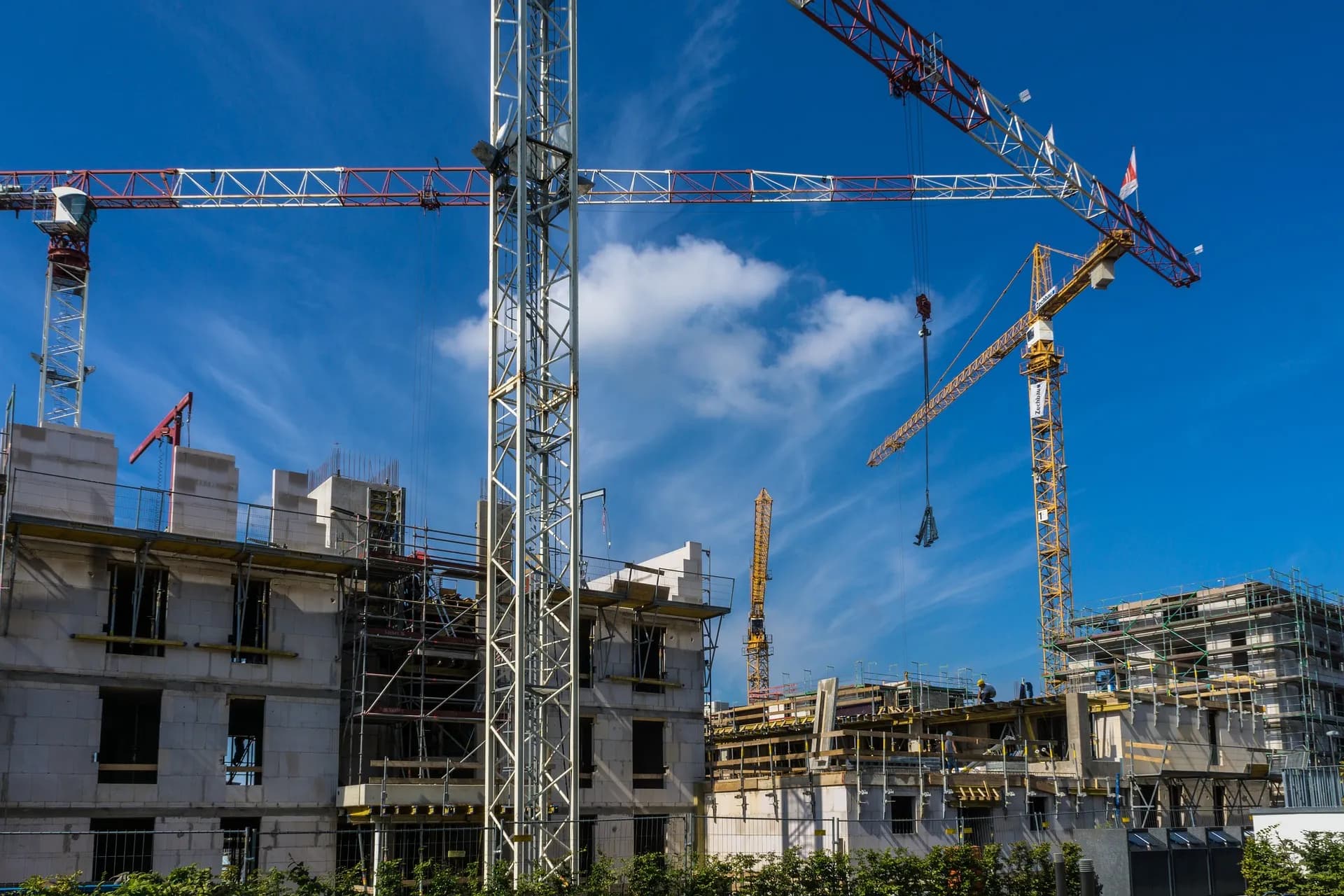
On the other hand, there are also factors suggesting that prices will not necessarily fall sharply. Copenhagen has structurally low construction activity, which limits the long-term supply of homes. At the same time, the city continues to attract workers, students and international companies, which maintains a baseline demand for homes.
For investors who are thinking of buying to rent out, it is a matter of doing the sums carefully. With prices at the current level and rents in Copenhagen more or less unchanged at around DKK 15,084 a month (in Danish) on average, the gross yield on many owner-occupied apartments has fallen markedly. This means the investment mainly has to pay off through rising value, and that is now far less certain.
One strategy for potential buyers could be to wait a few more months and see whether prices continue sideways or start to fall a little. With rising supply and falling demand, there is a real chance that some sellers will have to lower their price expectations to sell. For the patient buyer, that can mean a better negotiating position and a lower entry price.
On the other hand, if you find an apartment in an attractive area at a sensible price, and your finances are in place, there is not necessarily any reason to wait. In the end, buying a home is not only about timing the market perfectly, but about finding a home that matches your needs and your finances in the long term.
How does new legislation on short-term rental affect the market?
Another important factor that may affect the market for owner-occupied apartments in Copenhagen in the future is the stricter rules on short-term rental through platforms such as Airbnb. The political agreement on increased supervision (in Danish) and tougher sanctions for breaking the rules, which is expected to be turned into a bill, introduces a number of new tools that should make it easier for the authorities to detect and deal with illegal or systematic rental.
The City of Copenhagen has already set aside almost DKK 4 million for a new housing patrol (Boligpatrulje, in Danish) with 15 dedicated staff, who from 2026 are to actively seek out and sanction illegal short-term rental.
The basic rules are unchanged: as a rule, a permanent home (helårsbolig) may be rented out for up to 70 days a year (in Danish) when the rental goes through a digital platform that automatically reports rental income to the Danish Tax Agency (Skattestyrelsen). But compliance with these rules will now be checked far more effectively, and fines for exceeding them will be tougher.
For some investors who have bought owner-occupied apartments in Copenhagen mainly for short-term rental, the stricter rules and increased checks may make the business model less attractive. If a significant part of the expected earnings relies on high occupancy through Airbnb, and this option is now limited or checked more effectively, it may affect what buyers are willing to pay for that type of property.
On the other hand, it may also mean that more apartments that were previously rented out as “pseudo-hotels” now come back onto the rental or sales market as ordinary homes. That could add to the rising supply we are already seeing, and so further dampen price rises.
For serious landlords who run professional short-term rental within the law, the rules do not change much, other than that the risk of sanctions for mistakes becomes greater. It becomes even more important to keep an accurate count of rental days, make sure reporting is correct, and check any restrictions in the owners’ association’s articles.
Looking ahead
The coming months will show whether the current standstill in apartment prices in Copenhagen is the start of a more lasting normalisation, or just a short summer pause in a market that will soon resume its rises. The next key indicators to follow are the development in supply (will it keep rising?), the number of completed sales and the average time to sell.
If supply keeps growing and buyers stay cautious, it will probably push prices down in the coming quarters. In that case, we may see the first actual price falls in Copenhagen since 2023. On the other hand, a stabilisation of supply and a revival of buyer interest, for example if interest rates fall further, could quickly send prices up again.
For homeowners and investors in Copenhagen, the message is clear: the market no longer has the wind at its back. Realism about prices, thorough due diligence and a long-term strategy are now more important than ever. Especially for those who rent out, whether long-term rental or short-term rental, the key is to optimise operations, keep costs down and secure a stable income, so the investment can pay for itself even if the rise in value stays away for a while.
A qualified forecast is that the Copenhagen market will see a period of flatter price development, possibly with smaller swings in both directions, through the rest of 2026 and into 2027. The days when you could expect automatic double-digit annual growth in the value of owner-occupied apartments in Copenhagen are probably over for now.
Frequently asked questions
Did home prices in Copenhagen fall in July 2026?
No, home prices have not fallen. They have stalled. The average sale price of owner-occupied apartments in both the City of Copenhagen and Frederiksberg Municipality was unchanged (0.0 per cent) from June to July 2026, according to Boligsiden’s market index. It is the first time in more than 12 months that prices have not risen. Compared with July 2025, however, prices are still 21 per cent higher, so this is a standstill at a high price level, not an actual price fall.
Why is the supply of apartments in Copenhagen rising so much?
The supply of owner-occupied apartments in Copenhagen has risen markedly because more homeowners are choosing to sell, while fewer sales are completed. At the start of July 2026, there were 1,630 owner-occupied apartments for sale in Copenhagen, 25 per cent more than at the same time last year. There are several reasons: many homeowners want to realise their gain while prices are still high. Others are squeezed by the rising property taxes under the new valuation system. At the same time, the number of buyers has fallen slightly, partly because prices have reached a level where many have been priced out, and partly because interest rates are still relatively high.
Should I sell my apartment in Copenhagen now, or wait?
It depends on your situation and your expectations. If you need to sell within the next year, it makes sense to come onto the market relatively quickly with a realistic price. Competition for buyers’ attention has risen markedly, and homes are no longer selling as quickly as before. If, on the other hand, you are hoping for even higher prices, there is a real risk that you will have to wait a long time, or perhaps not see further rises at all in the short term. With rising supply and falling demand, prices are likely to stay flat or even fall a little in the coming months. A professional estate agent can help assess your specific apartment and the local market.
How does the development affect rents in Copenhagen?
Rents in Copenhagen are more or less unchanged. The average monthly rent is around DKK 15,084 in August 2026, almost the same as a year ago. While sale prices have risen steeply, rents have been far more stable. This is mainly because rent regulation in Copenhagen is strict: many apartments are covered by cost-based rent (omkostningsbestemt husleje), and even for homes with free rent (fri leje) there are limits to how much the rent can rise. For landlords, this means the gross yield on newly bought owner-occupied apartments has fallen markedly, because the purchase price has risen far more than rental income.
Is it a good idea to invest in owner-occupied apartments in Copenhagen now?
It depends on your investment goal and your time horizon. If you are buying for short-term growth in value, the outlook is less certain than before. With prices at the current level and the shifting market balance, there is a real risk of flat or falling prices in the coming quarters. If, on the other hand, you invest for long-term rental and a stable income, it can still be attractive, but only if you can buy at a sensible price and the rental income can cover the running costs. With gross yields on many Copenhagen apartments now down at around 3 to 4 per cent, it takes careful financial planning. Feel free to use a rental income calculator to assess whether a specific investment pays off.
What is the average price per square metre in Copenhagen in August 2026?
The average price per square metre for homes for sale in Copenhagen is DKK 77,701 in August 2026, based on data from DinBoligAgent. This covers large geographical differences: Indre By, Østerbro and Frederiksberg are considerably higher, often above DKK 90,000 to 100,000 per square metre, while outer neighbourhoods such as Valby, Brønshøj and parts of Amager are typically lower. Price development is stable, which means there are no sharp swings at the moment.
How does the development in Copenhagen differ from the rest of Denmark?
Copenhagen is seeing a marked cooling, while the rest of Denmark, particularly Aarhus, continues to see rising prices. In Aarhus, apartment prices rose by 2 per cent from June to July 2026, and prices are now 20 per cent above the level a year ago. The low supply in Aarhus continues to create fierce competition between buyers. The house market in Denmark in general is also growing, with price rises of 9.6 per cent nationally compared with last year. Copenhagen is therefore an isolated case, where the extreme price rises of 2025 have now been replaced by a standstill, while the rest of the country still has solid momentum.
What do the new rules on short-term rental mean for the housing market in Copenhagen?
The stricter rules and increased checks on short-term rental may affect demand for owner-occupied apartments in Copenhagen, particularly among investors who mainly buy to rent out on Airbnb. The City of Copenhagen has set aside almost DKK 4 million for a housing patrol that is to actively seek out and sanction illegal rental. At the same time, the law is being tightened nationally, with better data sharing between platforms and authorities and tougher fines. For serious landlords who stay within the 70-day limit and follow the rules, it does not change much, but the risk of sanctions for mistakes has increased. For those who have run “pseudo-hotels”, it becomes considerably harder, and some of these apartments may come back onto the ordinary housing market, which could increase supply further.
Written by Mohamed-Nour Yousif.
Sources
“Airbnb 2026 | Regler og Skat | Tryg udleje af din bolig.” OADV Advokater, 2026, in Danish, https://oadv.dk/airbnb-2026-regler-skat/
“Airbnb‑udlejning i Danmark i 2026: Juridiske og skattemæssige forhold som du skal være opmærksom på.” Ret & Råd, 2026, in Danish, https://www.ret-raad.dk/airbnb-udlejning-i-danmark-i-2026-juridiske-og-skattemaessige-forhold-som-du-skal-vaere-opmaerksom-paa/
“Boligpriser i København 2026: Gennemsnitspriser & markedsdata.” DinBoligAgent, 2026, in Danish, https://www.dinboligagent.dk/boligpriser/koebenhavn
“Boligskat 2026: Grundskyld og ejendomsværdiskat | Guide.” Boliginvestoren, 2026, in Danish, https://www.boliginvestoren.dk/artikel/boligskat-2026
“Boligskat 2026: Se, hvad du især skal være opmærksom på.” Vurderingsportalen, 2026, in Danish, https://www.vurderingsportalen.dk/ejerbolig/boligskat/boligskat-2026/
“Københavns Kommune vil indsætte en boligpatrulje mod ulovlig udlejning på Airbnb.” Heartbeats, 10 April 2026, in Danish, https://heartbeats.dk/koebenhavns-kommune-vil-indsaette-en-boligpatrulje-mod-ulovlig-udlejning-paa-airbnb/
“Korttidsudlejning udlejning 2026 | Regler og Skat.” OADV Advokater, 2026, in Danish, https://oadv.dk/korttidsudlejning-2026/
“Lejlighedspriserne står stille i København.” Boligsiden, 13 August 2026, in Danish, https://www.boligsiden.dk/pressemeddelelser/lejlighedspriserne-staar-stille-i-koebenhavn
“Markant flere lejligheder til salg i Region Hovedstaden.” Boligsiden, 3 July 2026, in Danish, https://www.boligsiden.dk/pressemeddelelser/markant-flere-lejligheder-til-salg-i-region-hovedstaden
“Udbuddet af lejligheder i København når højeste niveau i halvandet år.” Dansk Byudvikling, 2026, in Danish, https://dansk-byudvikling.dk/udbuddet-af-lejligheder-i-koebenhavn-naar-hoejeste-niveau-i-halvandet-aar/
“Udvikling i priser på lejligheder i København er gået i stå.” Dansk Byudvikling, 13 August 2026, in Danish, https://dansk-byudvikling.dk/udvikling-i-priser-paa-lejligheder-i-koebenhavn-er-gaaet-i-staa/