House prices are rising in Copenhagen: what does it mean for the rest of Denmark?
6 August 2026 · 13 min read · Investment
House prices keep rising faster in Copenhagen, because high demand, a limited housing supply and population growth outweigh the high land prices. Construction costs are fairly similar across Denmark, but investment returns depend heavily on location. That makes Copenhagen attractive for growth in value, while parts of Jutland can offer lower entry prices and potentially higher returns.
Written by Bodhi.
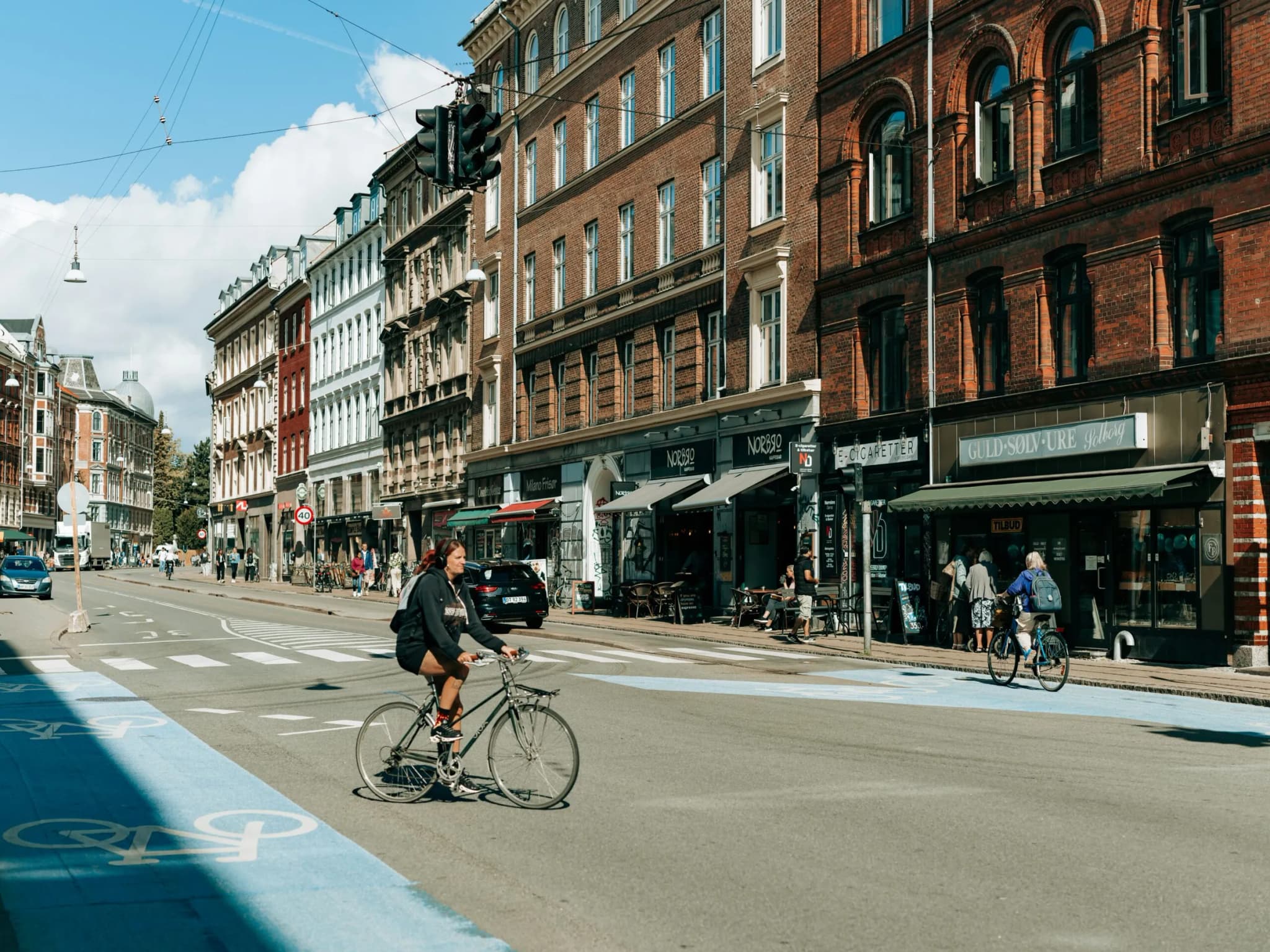
House prices in Copenhagen have kept rising, underlining the capital’s position as Denmark’s strongest housing market. Other parts of the country have also seen prices go up, but Copenhagen, and increasingly Aarhus, remain the preferred destinations for investors looking for long-term growth in value and stable demand.
This comes at an interesting time. As we described in our article on the Social Democrats’ proposal for a wealth tax, homeowners and property investors may soon face a more complex tax system, which could affect both investment strategies and portfolio planning. Tax policy is only one part of the equation, though. The fundamentals of the housing market, such as population growth, employment, housing demand and a shortage of attractive building plots, still matter a great deal for long-term returns.
That raises an important question for both developers and investors: if labour costs, materials and building standards are roughly the same across Denmark, why do projects in Copenhagen so often give a markedly higher return than projects elsewhere in the country? And when building plots in Jutland, for example, can be bought for a fraction of the price, does it make more sense to build outside the largest cities, or does the strong demand in Copenhagen and Aarhus still outweigh the higher costs? Understanding these market dynamics is crucial for making well-considered investment decisions in the Danish property market.
Why does Copenhagen keep doing best?
For many years, Copenhagen has done better than most of Denmark’s housing markets, and the explanation is actually quite simple: demand grows faster than supply. Construction costs are fairly similar across the country, but the capital benefits from a unique combination of demographic, economic and geographical conditions that support long-term price growth.
One of the most important drivers is population growth. Copenhagen keeps attracting students, highly educated employees and international talent, which creates lasting demand for both owner-occupied and rental homes. At the same time, urbanisation continues, with more Danes choosing to settle in the larger cities close to workplaces, educational institutions and public services.
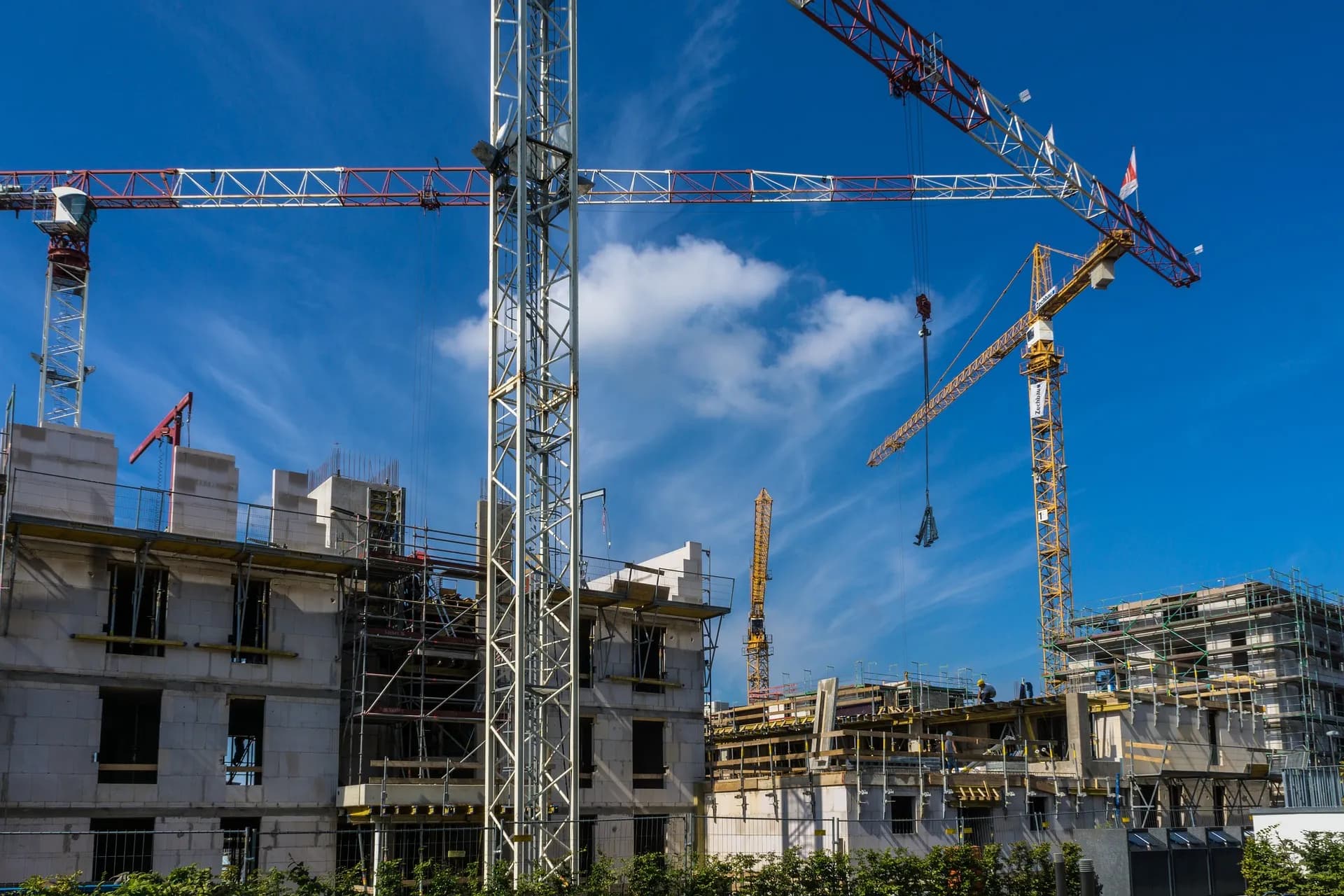
At the same time, the supply of new homes remains limited. A shortage of building plots, strict planning rules and long approval processes make it hard for new construction to keep up with demand. This scarcity pushes house prices up, even while new homes are being built all the time.
Copenhagen also benefits from a strong labour market, higher average incomes and growing interest from both Danish and international companies and investors. This increases purchasing power and supports higher property values than many regional housing markets can sustain.
In the end, construction costs are only one part of the calculation. The most important factor behind house prices is demand. Where most people want to live, work and invest, property values will typically rise. That is why Copenhagen, and increasingly Aarhus, remain Denmark’s strongest property markets.
Construction costs are much the same across Denmark
It may surprise many people, but it is not markedly more expensive to build a house in Copenhagen than to build a similar home in Aarhus, Aalborg or many places in Jutland. Local conditions such as site preparation, ground conditions or the availability of tradespeople can affect an individual project, but the basic construction costs are fairly similar across the country.
This is partly because most building materials are bought through the same national suppliers, and labour costs in the construction industry are generally at a comparable level. At the same time, the same national rules in the Building Regulations (Bygningsreglementet) apply, which means developers and contractors must meet the same technical requirements wherever in the country they build. Statistics Denmark (DST) also compiles national construction cost indices, which show the development in material and labour costs at national level rather than large regional differences. (DST)
The big difference only appears once the building is finished. Two almost identical homes can cost roughly the same to build, but have very different market values depending on their location.
The conclusion is simple: construction costs alone do not decide how profitable an investment will be. The most important factor is what buyers are willing to pay when the project is finished. In Denmark, it is mainly local demand, population growth, employment and the supply of homes that drive prices, not the price of bricks, timber or labour.
The decisive difference is the value of the land
If construction costs are roughly the same across Denmark, what explains the big differences in property values? The answer is simple: the value of the land.
In Copenhagen, building plots are a scarce resource. The city has limited room to expand, and the plots that come onto the market are often the subject of intense competition between developers, institutional investors and social housing organisations. At the same time, strict planning rules and long approval processes mean the supply of new building plots is limited, which pushes land prices markedly higher than in most of the rest of the country. The Planning Act (planloven) also sets the framework for where and how building may take place, which both protects green areas and limits the number of new building sites. (Retsinformation, in Danish)
Land prices are high, but Copenhagen has one significant advantage: density. A centrally located plot can often hold more homes or business units, which lets developers create a higher total value on the same area. The continued strong demand from both private home buyers and companies supports these high property values.
The picture looks different in Jutland. Here there is generally a larger supply of building plots, they are easier to acquire, and entry prices are considerably lower. This makes it easier for both smaller developers and investors with a more limited budget to get new projects started.
Cheaper land does not automatically mean a higher return, though. Property values are ultimately decided by demand. A low land price can improve a project’s finances, but if demand in the area is limited, both sale prices and rental income will typically be lower. Market data and analyses from Boligsiden show that areas with strong population growth and high housing demand see the biggest price rises over time, even when land prices are considerably higher. (Boligsiden, in Danish)
Copenhagen vs Jutland: where is the best investment?
There is no single answer to where it is best to invest in Danish property. The right choice depends on your investment goals, your budget and your appetite for risk. Copenhagen and Jutland offer very different opportunities, and understanding the differences is crucial for making the right decision.
Investing in Copenhagen
For many investors, Copenhagen remains Denmark’s most attractive property market. One of the biggest advantages is the historically strong growth in property values. High demand, a limited housing supply and continued population growth have supported rising house prices for many years. According to the OECD, the capital has been one of the country’s best-performing housing markets, which makes it particularly attractive to long-term investors. (OECD)
Copenhagen also benefits from a strong rental market. Every year, thousands of students, young professionals and international employees move to the city, which creates stable demand for rental homes. At the same time, vacancy is generally lower than in many smaller towns, which can give landlords more stable rental income.
Another advantage is the high liquidity. As there are many active buyers and investors in the market, homes and development projects are typically easier to sell. Banks also often see property in Copenhagen as a relatively safe investment, which can make financing easier to obtain for qualified investors.
These advantages come at a price, though. Property prices are considerably higher than in the rest of the country, which requires more starting capital. At the same time, the rental yield is often lower, because purchase prices have risen faster than rent levels. Competition is also tough, as developers, private investors, pension funds and institutional investors all compete for a limited number of attractive building plots and investment properties.
Investing in Jutland
Jutland offers a completely different investment profile. Price rises have generally not been as marked as in Copenhagen, but the region can offer opportunities that are hard to find in the capital.
The most obvious advantage is the lower prices. Building plots are generally far cheaper, which makes it easier for both investors and developers to enter the market. The lower acquisition costs also reduce the capital needed and can improve a project’s liquidity and lower the financial risk.
For developers, it is also often easier to find larger building plots, which allows projects that would be unrealistically expensive in Copenhagen. In several Jutland towns, the rental yield can also be higher, because property prices are still relatively low while demand for rental homes is stable.
Investing outside Denmark’s largest cities also brings challenges, though. Population growth is slower in many parts of Jutland, and some municipalities even see their population stand still or fall. This can dampen long-term housing demand and limit future price rises. At the same time, properties can take longer to sell, which makes it harder to sell an investment quickly if market conditions change. The risk of vacancy can also be higher, especially in areas with limited job growth. Danmarks Nationalbank also points out that local economic conditions and demographic trends matter a great deal for how the regional housing markets develop. (Nationalbanken)
In the end, the choice is not just about Copenhagen or Jutland. It is about choosing the investment strategy that best fits your goals. Investors focused on long-term growth in value and high liquidity will often find Copenhagen most attractive, even with the higher entry prices. Investors who prioritise ongoing rental income or want to develop property with a lower starting investment, on the other hand, may find interesting opportunities in selected areas of Jutland. Wherever you invest, local demand, employment and population trends are often far more important indicators of a project’s success than the property price alone.
How could the proposed wealth tax change the investment picture?
As described in our article on the Social Democrats’ proposal for a wealth tax, Denmark is considering changes that could affect how some property investors put together and manage their portfolios. The proposal has not yet been adopted, but it has sparked debate, because it could involve taxing unrealised gains for certain wealthy investors. That can create liquidity challenges, as investors risk having to pay tax without the property having been sold.
For owners of attractive investment properties, especially in Copenhagen, where property values have risen markedly over the past decade, higher ongoing costs could affect future investment decisions. Some investors may choose to spread their investments geographically or rebalance their portfolio and look to areas outside the capital, where entry prices are lower or rental yields are higher.
Tax is only one factor in the investment equation, though. A successful property investment still depends on fundamentals such as local demand, population growth, employment, financing options and long-term market trends. An investment with lower tax is not necessarily the best investment if demand is limited or prices are expected to develop weakly. Conversely, markets such as Copenhagen can stay attractive even if the tax rules become less favourable, because the underlying market conditions are strong.
Until any new legislation is adopted, investors should keep up to date, review their portfolios regularly and seek professional tax advice before making major investment decisions.
The future of the Danish housing market
Construction costs are fairly similar across Denmark, but investment returns can vary considerably depending on location. The biggest differences come from land prices and local demand. In cities such as Copenhagen, a limited supply of building plots, continued population growth and a strong labour market support high property values and long-term price growth. It is exactly these market conditions that have made the capital one of the most attractive places in Denmark to invest in property.
That does not mean the rest of the country should be overlooked. Regional markets, especially in parts of Jutland, can offer lower entry prices, attractive rental yields and interesting opportunities for developers and investors with in-depth knowledge of the local markets. Price growth may not match Copenhagen, but the right projects can still create solid returns.
Looking ahead, investors should also keep an eye on political developments. As described in our article on the Social Democrats’ proposal for a wealth tax, changes to the tax system could affect where and how investors choose to place their capital. Tax considerations should always be assessed together with, and not instead of, a thorough analysis of the market fundamentals.
Whether you are buying, developing or expanding a property portfolio, a good investment starts with an understanding of local demand, demographic trends, financing conditions and long-term growth potential. By combining thorough market analysis with a well-thought-out investment strategy, you are in a far stronger position to identify the best opportunities in the Danish property market.
If you invest in Danish rental properties, professional property management can help protect your investment and maximise the long-term return. BY Administration helps landlords, investors and property owners with everything from tenant service and maintenance to financial administration and compliance with current legislation, so you can focus on developing your portfolio.
Frequently asked questions
Why are house prices rising faster in Copenhagen?
High demand, population growth and a limited housing supply keep pushing prices up faster than in the rest of the country.
Are construction costs the same across Denmark?
Construction costs are generally similar nationwide, but land prices vary considerably depending on location.
Is it better to invest in Copenhagen or Jutland?
It depends on your goals. Copenhagen has historically delivered stronger growth in value, while parts of Jutland can offer lower entry prices and higher rental yields.
Do cheaper building plots automatically give a higher return?
No. Local demand, rental income and future price rises are at least as important as the land price.
How could the proposed wealth tax affect property investors?
If the proposal is adopted, it could increase ongoing costs for some investors and make tax planning and portfolio strategy even more important.
Sources
Construction Cost Index for Residential Buildings. (2026a). DSTdk. https://www.dst.dk/en/Statistik/dokumentation/documentationofstatistics/construction-cost-index-for-residential-buildings
What are homes worth in your area? Check it here on Boligsiden (Hvad er boligerne værd i dit område? Tjek det her på Boligsiden). (n.d.-a). In www.boligsiden.dk, in Danish. Retrieved August 1, 2026, from https://www.boligsiden.dk/markedsindeks
Making housing more efficient, affordable and green: OECD Economic Surveys: Denmark 2026. (2026b). In OECD. https://www.oecd.org/en/publications/oecd-economic-surveys-denmark-2026_3d6cb4b8-en/full-report/making-housing-more-efficient-affordable-and-green_01a5845d.html
Retsinformation. (n.d.-b). In www.retsinformation.dk, in Danish. Retrieved August 1, 2026, from https://www.retsinformation.dk/eli/lta/2024/572
Twin speed housing market. (2025). In Nationalbanken. https://www.nationalbanken.dk/en/news-and-knowledge/publications-and-speeches/analysis/2025/twin-speed-housing-market