Move-out inspection and refurbishment: a complete guide for landlords in Copenhagen
11 September 2026 · 16 min read · Property management
Move-out inspection and refurbishment: a complete guide for landlords in Copenhagen
When a tenant moves out of your apartment in Copenhagen, you as a landlord face one of the most sensitive and legally complex situations in the whole tenancy: the move-out inspection (fraflytningssyn), the calculation of refurbishment claims and the repayment of the deposit. Many landlords lose thousands of kroner because they miss a deadline, leave out documentation or make claims they are not entitled to under the Danish Rent Act (lejeloven). Others end up with cases before the Rent Tribunal (huslejenævnet) that better preparation could have avoided.
The Rent Act sets clear rules on when the move-out inspection must be held, how refurbishment claims must be worded and how quickly you must act. The rules changed significantly with the Rent Act from 1 July 2015 (in Danish), and the difference between normal refurbishment (normalistandsættelse) and full refurbishment to as-new condition (nyistandsættelse) is decisive for what you as a landlord can demand. For landlords in Copenhagen, where the Rent Tribunal handles several hundred complaints a year, thorough documentation and strict compliance with the procedures are not just a good idea. They are a necessity.
When must you as a landlord hold a move-out inspection?
If you rent out more than one residential unit, you must hold a move-out inspection no later than two weeks after the tenant has handed over the keys. Section 187 of the Rent Act makes it clear (in Danish) that the tenant must be invited to the move-out inspection in writing with at least one week’s notice, and the tenant must have the opportunity to attend.
The move-out inspection is when you and the tenant go through the condition of the home room by room and compare it with the move-in report. This is where you must identify whether there is wear beyond ordinary wear and tear, whether the maintenance duty has been met, and whether there is damage the tenant must pay for. Many landlords only discover at the move-out inspection that their move-in report is incomplete or not backed up by photos, and that can be expensive.
Special rules apply to landlords who rent out only one home. There is no requirement for a formal move-out inspection, but you must still make any refurbishment claims in writing no later than 14 days after the tenant has handed over the keys. If you miss this deadline, you also lose your claim here. Set a reminder in your calendar as soon as the tenant has told you the move-out date.
What must the move-out report contain?
At the move-out inspection you must prepare a move-out report (fraflytningsrapport) that documents the condition of the home and specifies which refurbishment work you believe the tenant must pay for. The report must contain a specific, room-by-room review and state what needs to be refurbished, for example “bedroom: ceiling to be whitewashed, walls behind the bed to be filled and painted” or “kitchen: scratches on cupboard doors to be repaired, tiles behind the cooker missing”.
The Rent Act sets no requirements for the layout of the report, but it must be precise enough for the tenant to understand what is expected. General wording such as “the home must be refurbished” or “ordinary maintenance” is not enough and cannot be enforced in a dispute. It is a good idea to use a standard form, the same one used at the move-in inspection, so the comparison is easy to follow.
Take photos of every room and of every point you note in the move-out report. The photos serve as evidence if the tenant later disputes your claims, and they are invaluable if the case ends up before the Rent Tribunal in Copenhagen (in Danish) or the Housing Court (boligretten). Keep the move-out report, photos and any correspondence with the tenant.
What is the difference between normal refurbishment and full refurbishment?
One of the biggest changes in the 2015 Rent Act was the removal of the right to demand full refurbishment (nyistandsættelse) on move-out. For leases signed after 1 July 2015, you as a landlord can only demand normal refurbishment, unless there is breach of the lease or damage beyond ordinary wear and tear. For older leases, full refurbishment may still be relevant if it was agreed in the lease and the home was actually fully refurbished when the tenant moved in.
Normal refurbishment covers painting, whitewashing and wallpapering of walls, ceilings and woodwork, and varnishing of floors. It means the tenant must hand back the home in the same condition as at move-in, less ordinary wear and tear. If the ceiling was freshly painted at move-in and is now yellowed or has a few marks after eight years of use, you cannot demand that the tenant paints it. That is ordinary wear and tear. But if the wall behind the bed is completely yellowed by nicotine, or there are big holes from shelves, you can demand that it is put right.
Full refurbishment, which was the norm before 2015, required the home to look completely new on move-out, however long the tenant had lived there and however old the surfaces and materials were at move-in. That rule has been removed for new leases, but many tenants and landlords do not know the difference, which leads to unnecessary conflicts. As a landlord, it is your responsibility to know which rule applies to your particular lease and to word your claims accordingly.
What counts as ordinary wear and tear?
Ordinary wear and tear is the deterioration of the home that happens naturally with normal use over time. It includes, for example, faded paint, minor marks on walls, light wear on wooden floors, patina on kitchen doors and natural yellowing of white surfaces. The Rent Act does not give an exhaustive list, but rent tribunals and courts have built up a practice over the years (in Danish) showing that the longer the tenant has lived in the home, the more wear is accepted.
What does not count as ordinary wear and tear is damage such as holes in walls from TV brackets, scratched kitchen worktops, broken tiles, cracked windows, significant furniture marks on wooden floors or a lack of cleaning. Here you as a landlord can demand that it is put right, however long the tenant has lived there. But remember: the burden of proof is on you. If you cannot document with a move-in report and photos that, for example, the scratches on the worktop were not there at move-in, you cannot claim compensation.
How do you prepare a correct move-out statement?
When the move-out inspection has been held and the move-out report signed, or received by the tenant, you must get quotes from tradespeople for the agreed refurbishment work. Based on these quotes, you prepare a move-out statement (flytteopgørelse), which is the final financial account of what the tenant must pay and what must be repaid from the deposit and prepaid rent.
The move-out statement must contain an itemised list of all refurbishment costs, stating what needs to be done, who is doing the work and what it costs. You may only charge reasonable, documented costs for tradespeople, not estimates or round figures. If you do the work yourself, you can charge an amount equal to what a tradesperson would have charged, but many rent tribunals require you to be able to document the hours and the cost of materials.
The move-out statement must also contain the account for utilities (heating, water, electricity), any unpaid rent and the repayment of the deposit and prepaid rent. The deposit does not bear interest.
Send the move-out statement to the tenant as soon as possible, and at the latest when all quotes from tradespeople are in. There is no statutory deadline for sending the move-out statement, but practice from the Rent Tribunal shows (in Danish) that if you wait unreasonably long (for example more than 2 to 3 months), it can weaken your case. The tenant is entitled to get the deposit and prepaid rent back within a reasonable time, and a delay can lead to a claim for compensation.
What if the tenant disagrees with the move-out statement?
If the tenant disputes part or all of the move-out statement, you should first try to settle the dispute amicably. Many conflicts can be solved by presenting documentation, for example photos from move-in and move-out that show the difference in the condition of the home, or detailed quotes from tradespeople that justify the level of costs. Be open to dialogue, and consider adjusting smaller items if the tenant’s objections are justified.
If you cannot agree, the tenant can bring the case before the Rent Tribunal in Copenhagen (in Danish). The fee for bringing a case is DKK 367 in 2026, and the processing time is typically 8 to 10 months. The Rent Tribunal can decide whether your refurbishment claims are justified, whether the level of costs is reasonable and whether you have followed the procedures. If the tribunal finds in the tenant’s favour, you must repay the amount you wrongly withheld, and you may be ordered to pay interest.
In Copenhagen, the Rent Tribunal’s decision can also be appealed to the Appeals Board for the Copenhagen Rent Tribunals (Ankenævnet for Københavnske Huslejenævn) (in Danish) within four weeks. In the rest of the country, the case goes directly to the Housing Court. Court cases are expensive and time-consuming, so it is far better to prevent disputes by documenting thoroughly, communicating clearly and meeting every deadline.
How do you avoid the most common mistakes?
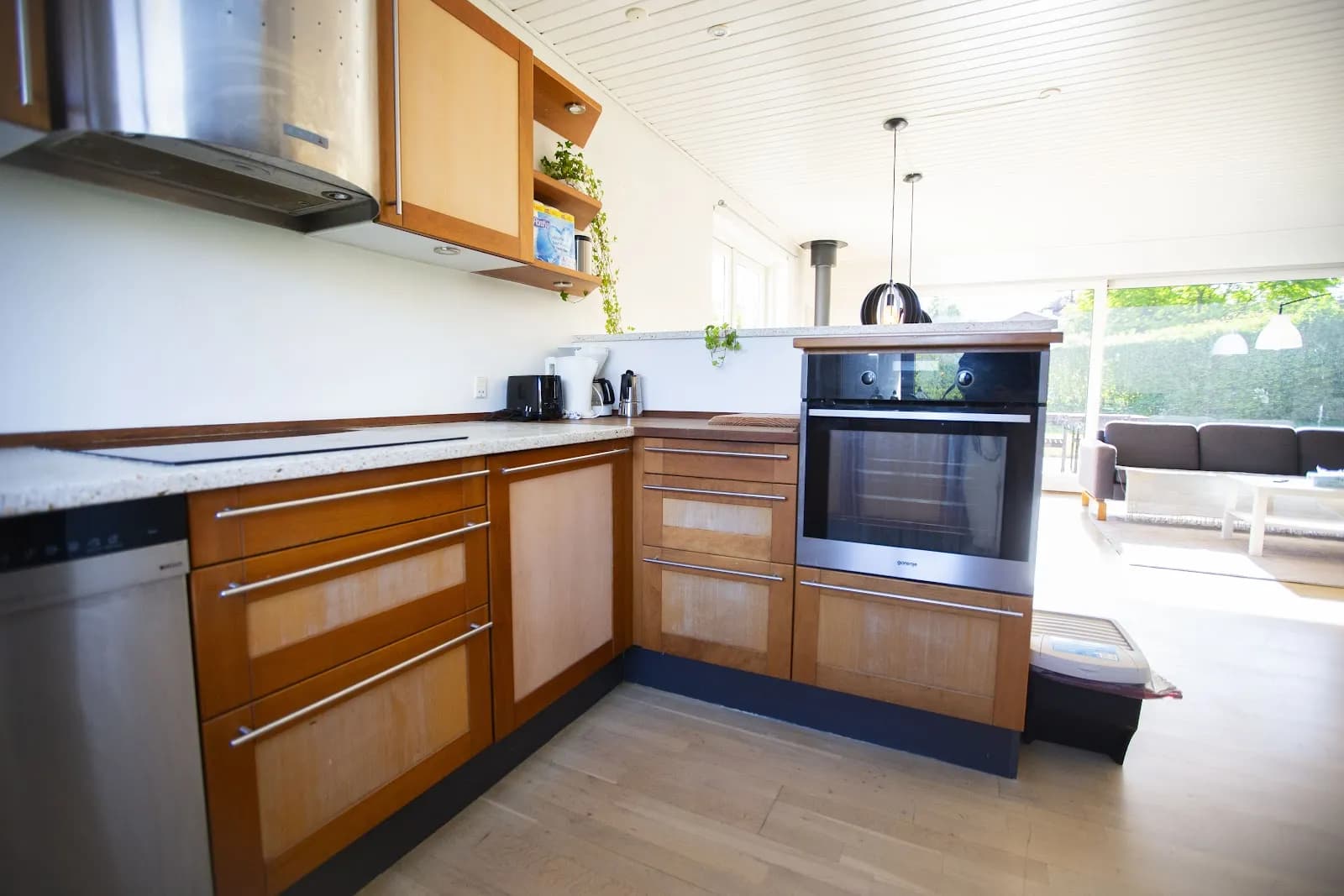
The most common mistake landlords make on move-out is poor documentation at move-in. If you do not have a detailed move-in report with photos showing the condition of the home when the tenant moves in, it is almost impossible to prove later that damage or wear happened during the tenancy. So always take time for a thorough move-in inspection, and take photos of every room, every surface and all existing damage or signs of wear.
Another common mistake is missing the deadlines. If you rent out several homes and do not hold the move-out inspection within two weeks, or if you rent out one home and do not make your refurbishment claims within 14 days, you lose the right to demand payment. Set reminders as soon as the tenant gives notice, so you never forget a deadline.
A third mistake is making claims that are not justified under the Rent Act. Many landlords still demand full refurbishment under leases from after 2015, or they demand payment for wear that is clearly ordinary. This leads to complaints you lose, and it harms your reputation as a landlord. If you are unsure what you can demand, consult a tenancy lawyer or a professional property manager in Copenhagen who knows the rules.
Finally, it is a mistake to let the tenant refurbish the home themselves without supervision. Although the tenant has the right to do the refurbishment on their own, you as a landlord have the right to demand that the work is done to a proper standard. If, for example, the tenant paints badly or fills the holes incorrectly, you can demand that the work is redone at the tenant’s expense. But you must object straight away, preferably at the move-out inspection, or you may lose the right to raise the faults.
What can you do to prevent conflicts?
The best tool for preventing conflicts on move-out is thorough documentation at move-in and regular inspections during the tenancy. If you as a landlord hold yearly or half-yearly inspections, where you check the condition of the home and point out any maintenance problems, it is much easier to document when damage happened. Many landlords use this practice both to keep the home in good condition and to build a relationship of trust with the tenant.
Communication is also crucial. If you give notice of the move-out inspection in good time, send a clear agenda and explain to the tenant what will happen, you reduce the risk of misunderstandings. Many tenants are unsure what to do when they move out, and clear, friendly communication can make a big difference. Consider sending a checklist of the most common points the tenant can handle themselves (for example cleaning, filling nail holes and closing utility accounts).
Use standard forms and procedures. The more standardised your process is, the easier it is to meet deadlines, document correctly and avoid mistakes. There are ready-made templates for move-in reports, move-out reports and move-out statements, developed together with tenants’ associations and landlord organisations. Use them, adapt them to your homes and store all documents digitally, so you always have access to them.
And finally: consider working with a professional manager. If you rent out several apartments in Copenhagen, or if you live abroad or do not have time to handle the move-out process yourself, a professional long-term rental manager can save you many hours, many mistakes and many potential complaints. The manager knows the rules, has the experience and can handle the whole process from the move-out inspection to the repayment of the deposit.
Looking ahead
The Rent Act’s rules on move-out, refurbishment and move-out statements are unlikely to change significantly in the near future, but there is a growing tendency for tenants to be more aware of their rights and quicker to bring cases before the Rent Tribunal. In Copenhagen, where the Rent Tribunal handles several hundred cases a year (in Danish), it is crucial that landlords are well informed and well documented.
Growing digitalisation, of leases, documentation and communication, makes it easier to store and present evidence, but it also demands more of landlords’ IT skills and data organisation. Consider using digital systems to store all documents, set automatic reminders and handle communication with tenants. It can save you many headaches and many lost cases.
In future there will probably also be more focus on sustainability and energy renovation in rental homes. If your apartment undergoes major renovation or energy improvements between tenants, you must pay extra attention to how you document the condition of the home before and after the work, and how you update your move-in and move-out reports.
Frequently asked questions
What happens if I as a landlord forget to hold the move-out inspection within the two-week deadline? If you rent out more than one residential unit and do not hold the move-out inspection within two weeks after the tenant hands over the keys, you as a rule lose the right to make refurbishment claims. The deadline is absolute, so set a reminder as soon as the tenant gives notice of moving out, and plan the move-out inspection in good time.
Can I as a landlord demand that the tenant paints the apartment, even though they have lived there for eight years? For leases signed after 1 July 2015, the rule on normal refurbishment applies. Check your lease for the exact rule, and be aware that tenants who have lived in a home for a long time rarely have to pay for ordinary maintenance.
What counts as ordinary wear and tear, and what can I demand payment for? Ordinary wear and tear is the deterioration that happens naturally with normal use over time, for example lightly faded paint, minor marks, wear on floors and patina on surfaces. You cannot demand payment for this. You can, however, demand payment for damage such as holes in walls, scratched worktops, broken tiles, a lack of cleaning or signs of breach of the lease. The burden of proof is on you, so make sure you have a detailed move-in report with photos that document the condition of the home at move-in.
May I as a landlord hold back the whole deposit until all the tradespeople’s bills are paid? No, you may only hold back the part of the deposit that matches documented refurbishment costs. If the deposit and prepaid rent together exceed the actual costs, you must repay the difference to the tenant within a reasonable time. Practice shows that you should send the move-out statement and repay any surplus within 2 to 3 months after move-out. If you wait unreasonably long, the tenant can complain to the Rent Tribunal and claim interest and possibly compensation for unnecessary delay.
What should I do if the tenant refuses to attend the move-out inspection? You must invite the tenant to the move-out inspection with at least one week’s written notice and offer a date within two weeks after the keys are handed over. If the tenant does not turn up, you can hold the move-out inspection alone and prepare the move-out report based on your own review. Send the report to the tenant by recorded post or digital post, so you can document that it was received. Remember to take thorough photos and note exactly what needs to be refurbished. That is your evidence if the tenant later disputes the claims.
Can I use the deposit to cover unpaid rent, or may it only be used for refurbishment? The deposit can be used to cover unpaid rent, unpaid utilities (heating, water, electricity) and refurbishment costs. If the tenant owes rent on move-out, you can set it off against the deposit, but you must itemise it in the move-out statement. Remember that prepaid rent can also be used to cover claims. If the total claims exceed the deposit and prepaid rent, you can send the tenant an invoice for the difference.
Must I as a landlord accept that the tenant does the refurbishment themselves to save money? Yes, the tenant has the right to do the refurbishment work themselves, but you in turn have the right to demand that the work is done to a proper standard. If, for example, the tenant paints badly, fills the holes incorrectly or does not varnish the floor properly, you can demand that the work is redone at the tenant’s expense. You must, however, object straight away, preferably at the move-out inspection, so the tenant has the chance to put the faults right. If you only object several weeks later, you may lose the right to raise the faults.
What do I do if the tenant has made unauthorised changes to the apartment, for example painted the walls dark red or put in a new kitchen sink? If the tenant has made changes without your prior written permission, you can as a rule demand that the home is restored to its original condition. This means the tenant must paint the walls back to the original colour or remove the new sink and restore the old one. If restoration is not possible or practical, you can claim compensation for the loss in value. Remember that you must have documented the original condition of the home with a move-in report and photos, or it can be hard to prove what has been changed.
Written by Mohamed-Nour Yousif.
Sources
“Beboerklagenævn og Huslejenævn.” Borger.dk, 2026, https://www.borger.dk/bolig-og-flytning/Lejebolig/beboerklagenaevn-og-huslejenaevn. (in Danish)
“Det kan huslejenævnene behandle.” Københavns Kommune, 2026, https://www.kk.dk/borger/bolig-og-byggeri/uenighed-mellem-lejer-og-udlejer/det-kan-huslejenaevnene-behandle. (in Danish)
“Fraflytning: hvad siger lejeloven?” Advodan, 2026, https://www.advodan.dk/da/privat/mit-liv/bolig/leje-udleje/lejeloven-fraflytning/. (in Danish)
“Fraflytning af lejemål.” BoligPortal, 26 September 2025, https://blog.boligportal.dk/fraflytning/fraflytning-af-lejemaal/. (in Danish)
“Fraflytning og fraflytningssyn.” Lejeloven.dk, 2026, https://www.lejeloven.dk/lejer/fraflytning. (in Danish)
“Huslejenævn og klagemuligheder.” Socialministeriet, 2026, https://www.sm.dk/arbejdsomraader/byggeri-og-boliglovgivning/private-lejeboliger/fremleje-overdragelse-og-opsigelse/huslejenaevn-og-klagemuligheder. (in Danish)
“Hvad kan udlejer forlange ved fraflytning?” Netto Entreprise, 22 June 2026, https://netto-entreprise.dk/hvad-kan-udlejer-forlange-ved-fraflytning/. (in Danish)
“Indbring en sag for huslejenævnet, beboerklagenævnet eller ankenævnet.” Københavns Kommune, 2026, https://www.kk.dk/borger/bolig-og-byggeri/uenighed-mellem-lejer-og-udlejer/saadan-indbringer-du-en-sag-for-naevnet. (in Danish)
“Istandsættelse ved fraflytning: Hvad siger Lejeloven?” BoligPortal, 6 June 2025, https://blog.boligportal.dk/lejeloven/istandsaettelse-ved-fraflytning-af-lejebolig/. (in Danish)
“Lov om leje.” Retsinformation, 2022, https://www.retsinformation.dk/eli/lta/2022/341. (in Danish)
“Rentestatistik.” Danmarks Nationalbank, 2026, https://www.nationalbanken.dk/da/statistik (in Danish)
“Regler for fraflytning af lejemål.” Findbolig, 2026, https://www.findbolig.nu/da-dk/hjaelp/lejer/regler-for-fraflytning. (in Danish)