Can your landlord enter your apartment? Access, notice and viewings
27 September 2026 · 10 min read · Renting a home
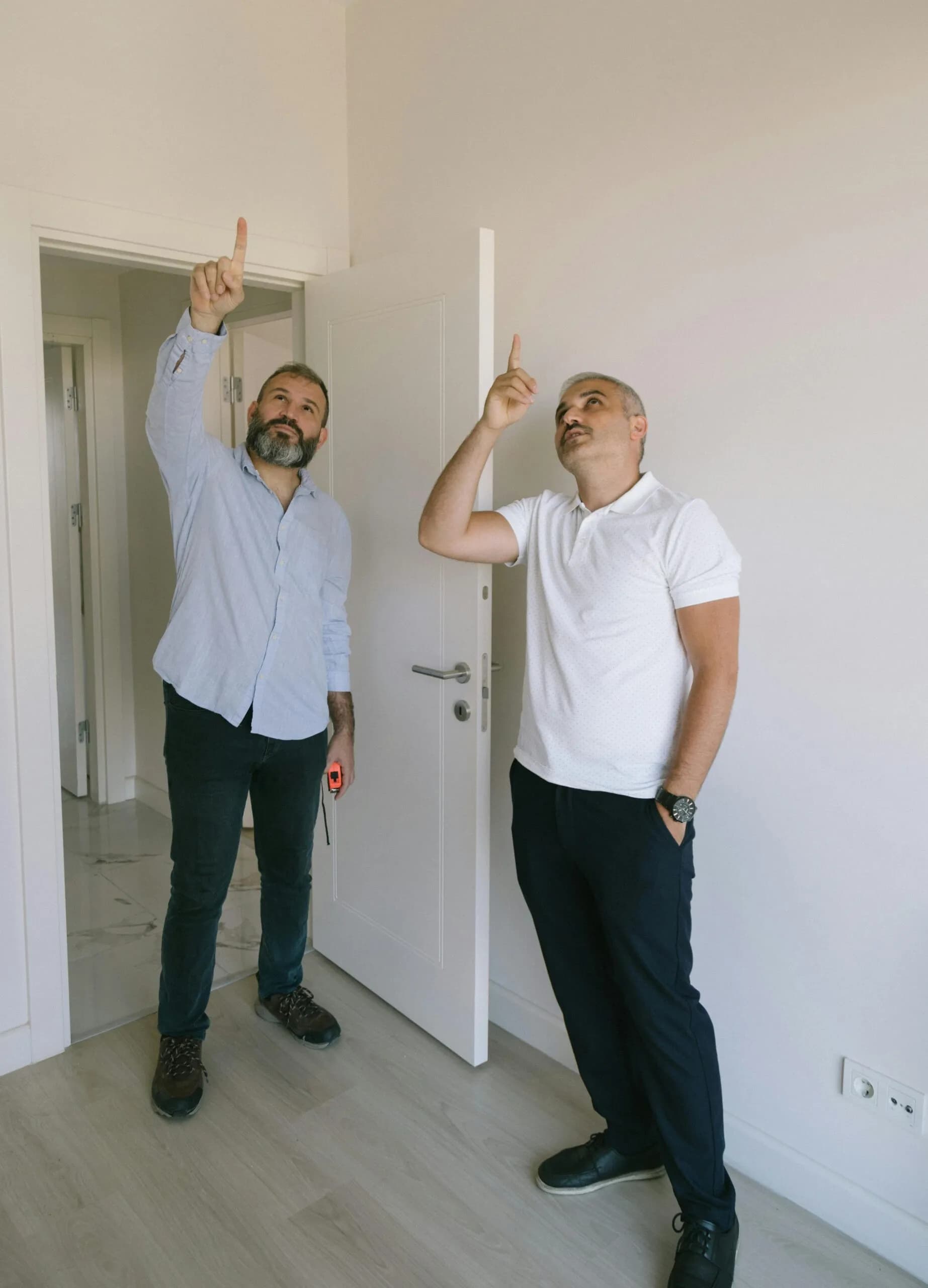
No, not just whenever it suits the landlord. As a tenant, you have the right to use the apartment, and the landlord only has a right of access when circumstances require it, for example to carry out necessary works, read meters or investigate a specific suspicion of damage (§ 102 of the Rent Act (lejeloven)). Before works in the apartment, the landlord must give 6 weeks’ or 3 months’ notice, and if notice has been given on your tenancy, you decide the times for viewings within the legal minimum.
The rules here apply to private rental under the Act on Rent (in Danish). If you live in social housing (almen bolig), the Act on Renting Social Housing (in Danish) applies instead.
When does the landlord have a right of access to the apartment?
The rule is in § 102 of the Rent Act: the landlord or their representative has the right to get or obtain access to the rented property when circumstances require it. The starting point is the opposite. According to the explanatory notes to the bill (in Danish), you as the tenant have an exclusive right of use, and the landlord therefore as a rule has no access, unless you have agreed it.
The explanatory notes mention the typical situations where circumstances require access:
- necessary works, both maintenance and improvements
- reading meters
- the landlord’s inspection of the property
- a specific, well-founded suspicion of a risk of damage to the property, for example because other residents have complained about a smell or damp from your apartment
- checking whether you have complied with a specific order to carry out maintenance
On the other hand, the landlord has no right of access to see in general whether you meet your obligations, for example whether you clean or keep up the inside of the apartment. The right applies to the landlord and to those the landlord authorises, such as a property manager, caretaker and tradespeople. They have no more rights than the landlord. Access covers all of the rented property, including a basement or loft storage room that belongs to the tenancy.
For visits that are not works, for example reading meters, the law does not set a specific notice period. Agree a time that suits you both.
May the landlord turn up unannounced or let themselves in?
As a rule, no. According to the explanatory notes, the landlord cannot get access without your cooperation, not even when the landlord has a right of access. Only in very special circumstances may the landlord obtain access themselves, for example when you and your household are away and there is a compelling reason such as flooding or fire. If you do not give access when the landlord is entitled to it, the landlord’s route is the bailiff’s court (fogedretten).
The landlord can always carry out urgent repairs without notice (§ 103(3)). The explanatory notes describe them as situations with a considerable risk of damage to the property or to people if the landlord does not get access quickly, for example a burst supply or drain pipe, or damage to the building envelope, meaning the roof, facade and windows, that would otherwise cause more damage.
If someone enters your home without the right to do so, the Criminal Code has a rule on trespass (husfredskrænkelse). Under § 264(1)(1) of the Criminal Code (straffeloven), in Danish, anyone who without authority gains access to another person’s house or another place that is not freely accessible can be punished. Whether a specific visit was unauthorised is for the police, and ultimately the courts, to judge.
Notice before tradespeople and works in the apartment
If the landlord needs to carry out works in your apartment, the notice depends on how much the work disturbs you (§ 103). The examples in the table are the ones the explanatory notes give themselves.
| The work | Notice | Examples |
|---|---|---|
| Not a significant inconvenience to you | 6 weeks (§ 103(1)) | Replacing heating installations in summer, work in storage rooms, minor follow-up work |
| A significant inconvenience to you | 3 months (§ 103(2)) | Replacing a kitchen or bathroom, replacing heating installations in winter |
| Urgent repairs | No notice (§ 103(3)) | A burst supply or drain pipe, damage to the building envelope |
Whether a job is a significant inconvenience depends on how much and for how long it affects your use of the home, whether you have to do without essential installations, and what time of year it happens. There are no formal requirements for the notice, but it is the landlord who must prove that notice was given correctly. According to the explanatory notes, the notice should say when and why you must give access, to whom, and what the consequences are if you do not. If the landlord gives too little notice, the landlord has no right of access and must give notice again.
Once the work starts, it must be carried out without interruption and with as much consideration for you as possible, and the landlord must make good any damage straight away (§ 104). If an improvement job that has started drags on, the Rent Tribunal (huslejenævnet) can set a deadline for when it must be finished (§ 108(2)). The rules in this chapter cannot be waived to your disadvantage, not even in the lease (§ 110).
Viewings when notice has been given or you are moving out
If notice has been given, or you have to move out for another reason, you must give access for the apartment to be viewed (§ 186). This applies whether it was you or the landlord who gave notice. You set the time yourself. It must be at least 2 hours every other working day, at a time that is convenient for a viewing. How to give notice, and what you have to pay in the meantime, is covered in the article on giving notice on your rental home.
The explanatory notes to § 186 expand on the rule:
- As a rule, you decide both the day and the time, but the time must take account of both the landlord and the people looking for a home.
- The landlord does not need to give notice under § 103 to hold a viewing.
- Depending on the circumstances, you can ask to be told whether anyone is actually coming at the time you have given.
- You do not have to let the landlord run the viewing, as long as you or someone you have authorised can show the apartment. If you are not represented, the viewing may only take place with the landlord or their representative present.
- The rule also applies when the apartment is not going to be rented out again, for example on a sale, as long as the viewings are reasonable given the burden on you of letting strangers in.
Send your times to the landlord in writing, ideally by email, so there is no doubt. No later than 8 days before you move out, you must also give an address where the landlord can send notices, including claims after you have moved out (§ 186(2)). According to the explanatory notes, it must be an address that can receive post. An email address is not enough. What the landlord can require you to refurbish when you move out is covered in the article on painting when moving out, and the landlord’s side of the inspection is described in the guide to move-out inspection and refurbishment.
If the landlord sells the apartment while you stay on, § 186 does not apply, because you do not have to move out. Read more about that situation in the article The landlord sells the apartment. And if you are looking for a new place to live, you can see the homes to rent BY Administration has available right now.
What happens if you refuse the landlord access?
The landlord can terminate the tenancy agreement if you refuse access that the landlord or others are entitled to under, among others, § 102 and § 186 (§ 182(1)(3)). This is the harshest sanction in the Act, and it means you have to move out. According to the explanatory notes to § 186, you can also become liable for damages if you do not give access for viewings.
There are two limits. The landlord cannot terminate if the matter is of minor importance (§ 183(1)). And if you have put the matter right, for example by giving access, before the landlord terminates, the landlord can no longer use it as grounds (§ 183(2)).
If you disagree that the landlord has a right of access, or the time does not suit you, say so in writing and suggest another time. Notice that is too short does not give the landlord a right of access. But refusing access the landlord is actually entitled to can cost you your tenancy. If you disagree with a termination, it is the housing court (boligretten) that decides the case.
Is the landlord entitled to a key?
The Rent Act has no specific rule saying the landlord must have a key to your apartment, or that the landlord may not have one. The Act only says two things about keys. At move-in, all outer doors must have working locks with matching keys (§ 89). And during the tenancy, it is you who maintains and if necessary renews locks and keys (§ 112(3)), unless you have agreed otherwise.
So read your lease. Terms that depart from the law must be stated expressly in the agreement (§ 11(2)). If you use the standard lease, standard form A10 (typeformular A10), special terms are in § 11 of the lease.
If the landlord has a key, it does not change the rules on access. The key may only be used when circumstances require access, and as a rule with your cooperation. A key gives no right to turn up unannounced.
If you think your landlord is going too far
- Write to the landlord, and refer to the rule, for example § 102 on access or § 103 on notice. Keep messages, notices and dates.
- Disagreements about access and notice of works under chapter 11 of the Rent Act (§§ 102-110) are decided by the Rent Tribunal (§ 108). Read how to go about it in the article on complaining to the Rent Tribunal in Copenhagen.
- According to the City of Copenhagen (in Danish), the Rent Tribunal cannot deal with a tenant’s complaint about the landlord’s conduct, nuisance from building works such as noise, or claims for damages. Those questions are decided by the housing court.
- If someone has entered your home without the right to do so, you can contact the police.
If the landlord comes because damp is suspected, repairing the damage is often the landlord’s own responsibility. Read about your rights in the article on mould in your rental home.
Sources
- Act on Rent (lejeloven), Act no. 341 of 22 March 2022 as amended (Retsinformation, in Danish)
- Bill on Rent (L 47), explanatory notes to §§ 102-104 and 186 (Retsinformation, in Danish)
- Consolidated Criminal Code (straffeloven), LBK no. 1294 of 7 November 2025 (Retsinformation, in Danish)
- Consolidated Act on Renting Social Housing, LBK no. 928 of 4 September 2019 (Retsinformation, in Danish)
- What the rent tribunals can deal with (City of Copenhagen, in Danish)
Frequently asked questions
The key questions, answered briefly.

Have another question?Call +45 50 52 15 37 or book a meeting.
May my landlord enter my apartment when I am not at home?
As a rule, not without your cooperation. According to the explanatory notes to § 102 of the Rent Act, the landlord may only obtain access themselves in very special circumstances, for example when you are away and there is a compelling reason such as flooding or fire. The landlord can always carry out urgent repairs, such as a burst water pipe, without notice.
How much notice must the landlord give before tradespeople come?
Works that are not a significant inconvenience to you require 6 weeks’ notice. Other works, for example a new kitchen or bathroom, require 3 months’ notice. Urgent repairs can be done without notice, see § 103 of the Rent Act. If the landlord gives too little notice, the landlord has no right of access and must give notice again.
How often must I show the apartment once notice has been given?
You set the times yourself, but it must be at least 2 hours every other working day at a time that is convenient for a viewing, see § 186 of the Rent Act. You can run the viewing yourself or let someone you have authorised do it. If you are not represented, the landlord or their representative must be present.
Can the landlord terminate my lease if I refuse access?
Yes, if the landlord is entitled to the access, for example under § 102 or § 186, the landlord can terminate the tenancy agreement, see § 182(1)(3). This does not apply if the matter is of minor importance, or if you give access before the landlord terminates. If you disagree about the access, say so in writing and suggest another time.
May the landlord have a spare key to my apartment?
The Rent Act has no specific rule saying the landlord must or may not have a key. You maintain and renew locks and keys during the tenancy, unless something else has been agreed in the lease. If the landlord has a key, it may only be used when circumstances require access, and as a rule with your cooperation.
May the landlord come to check whether I clean?
No. According to the explanatory notes to § 102 of the Rent Act, the landlord has no right of access to establish in general whether you meet your obligations, for example cleaning or interior maintenance. The landlord has a right of access for necessary works, reading meters, inspecting the property and when there is a specific, well-founded suspicion of damage.