Is it safe to rent out my apartment on Airbnb? (2026 guide)
23 June 2026 · 12 min read · Short-term rental
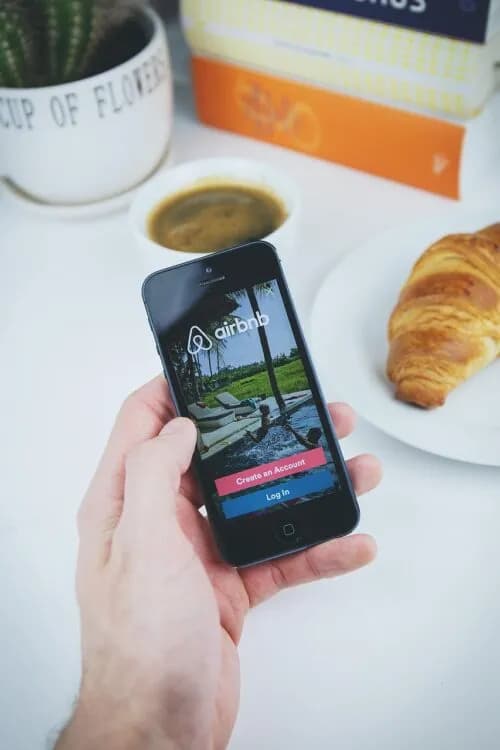
It is generally safe to rent out your apartment on Airbnb, and it can be very profitable, but it also involves risks such as damage to the property, theft, liability claims and complaints from neighbours. If you prefer a more worry-free solution, professional property managers such as BY Administration can help make hosting on Airbnb both easier and safer.
Written by Bodhi.
Hosting on Airbnb has become increasingly popular in 2026 and gives homeowners an easy way to earn extra income by renting out unused space. One of the biggest concerns for first-time hosts, though, is safety. Many wonder whether it is really safe to rent out their apartment to strangers, and what risks they may face.
The short answer is yes, it can be safe to rent out your apartment on Airbnb, but it takes careful planning and the right precautions. From protecting your home and screening guests to understanding insurance cover and local rules, responsible hosting plays a key role in minimising risk. In this guide you will learn about the most common safety issues when hosting on Airbnb, how Airbnb’s protection schemes work, and the practical steps you can take to protect both your home and your peace of mind while making the most of your rental income in 2026.
What are the biggest risks of hosting on Airbnb?
Although hosting on Airbnb can be a good way to earn extra income, it is important to understand the potential risks. When you know what can go wrong, you can take precautions and create a safer experience for everyone involved.
Damage to the property
Damage to the home is one of the most common concerns among Airbnb hosts. Minor wear, such as stained towels, scratched furniture or broken plates, is relatively normal and to be expected over time. More serious incidents can happen, though, including damaged appliances, broken windows or spills that ruin carpets and upholstery.
Although major damage is relatively rare, it can be expensive and time-consuming to repair, which makes preventive measures and suitable insurance cover important.
Theft and missing items
Another concern is the risk of theft or missing belongings. Valuables such as jewellery, cash, electronics and personal documents should never be easily accessible to guests. Although most Airbnb users are respectful travellers, there are occasional cases of missing items.
Fortunately, theft is considered relatively rare. Many hosts reduce the risk by keeping valuables in locked cupboards or removing them from the apartment altogether before they welcome guests.
Unauthorised parties
Unauthorised parties can quickly turn a peaceful rental into a big problem. Guests may invite extra people without permission, which can lead to excessive noise, damage to the property and complaints from neighbours. Large gatherings may also break the building’s rules or local regulations. In serious cases, hosts can face expensive repairs, fines or even restrictions from owners’ associations and landlords.
Liability for injuries to guests
Accidents can happen during any stay. A guest can slip on a wet floor, fall down a staircase or be injured by faulty furniture or appliances. Situations like these can expose hosts to legal claims and financial liability. That is why liability cover and adequate insurance are essential. The right cover can help protect hosts from unexpected costs if an accident happens.
Complaints from neighbours
Short-term rental can sometimes create tension with neighbours, especially in apartment buildings and shared residential areas. Noise, parking problems and more comings and goings are common complaints. Clear house rules and encouraging respectful behaviour can help keep good relations with the neighbours and prevent conflicts that could affect your ability to continue hosting.
What protection does Airbnb offer hosts?
One reason millions of homeowners feel comfortable renting out through Airbnb is the various protection schemes available to hosts. Although no system can remove every risk, Airbnb offers several safety measures designed to help hosts deal with unexpected situations.
AirCover for Hosts
AirCover for Hosts is Airbnb’s built-in protection programme, which is automatically included with every booking. The programme is designed to give peace of mind by offering protection against damage, liability cover and support in certain situations involving guests. Although AirCover does not replace ordinary home or landlord insurance, it adds an extra layer of protection that can help hosts recover from unexpected losses and disputes.
Damage protection
Damage caused by guests is one of the biggest concerns for hosts, which is why AirCover includes damage protection. This protection helps compensate hosts when guests accidentally or deliberately damage their property during a stay.
Examples of eligible claims can include broken furniture, stained carpets, damaged walls, missing items or extra cleaning costs caused by an unusually big mess. In some cases, damage caused by pets or unauthorised guests can also be covered.
Hosts are usually required to document the damage and submit a claim within the deadline set by Airbnb. Photos, receipts and detailed descriptions can help speed up the process.
Liability insurance
Airbnb also offers liability insurance, which helps protect hosts if a guest or third party is injured or suffers property damage during a stay. If, for example, a guest slips on a staircase or is injured by a faulty appliance, the liability cover can help pay legal costs, settlements or other related expenses.
This protection can be especially valuable, as lawsuits and damage claims can become very expensive. Coverage limits and exclusions apply, however, so hosts should read the terms carefully and consider keeping their own insurance as extra protection.
Secure payments and booking protection
Airbnb handles payment processing for all reservations, which reduces the need for hosts to handle cash or personal financial details directly. Payouts are usually released after the guests check in, which helps make sure hosts are paid for confirmed bookings.
The platform also uses identity verification tools and fraud prevention measures to reduce the risk of fraud and unauthorised transactions, which makes hosting both safer and more reassuring.
Can you trust Airbnb guests?
How to protect your apartment when you rent it out via Airbnb
One of the biggest concerns for new hosts is whether they can trust strangers who will be staying in their home. The good news is that the vast majority of Airbnb guests are respectful travellers who are simply looking for a comfortable place to stay. Even so, a few precautions can help you avoid unpleasant surprises and feel more comfortable hosting.
Guest reviews and ratings
Airbnb’s review system is one of the most useful tools hosts have. After each stay, both hosts and guests can give star ratings and write reviews, which creates a track record that helps build trust in the community.
Before you accept a reservation, you can look through the guest’s profile and read comments from previous hosts. Positive reviews that highlight cleanliness, good communication and respect for the house rules are usually good signs. On the other hand, repeated complaints or poor ratings can indicate that a guest may cause problems. Although no review system is perfect, it gives valuable information that can help hosts make better-informed decisions.
Identity verification
Airbnb also offers identity verification features to increase safety. Many guests choose to verify their profiles by submitting official photo ID, contact details and other personal information. Verified profiles can give extra peace of mind, especially when you are hosting someone for the first time. Airbnb also uses various security checks and anti-fraud measures to keep the platform safer for both guests and hosts.
It is important to remember, though, that even a verified profile is no guarantee of perfect behaviour, so hosts should still use good judgement.
Communication before you accept a booking
Talking to potential guests before you confirm a reservation is another effective way to build trust. A short conversation can reveal a lot about a person’s intentions and expectations.
Hosts can usefully ask questions such as:
- What brings you to the area?
- Who will be staying in the apartment?
- Have you used Airbnb before?
- Are you familiar with the house rules?
Clear and friendly communication often helps prevent misunderstandings. At the same time, hosts should watch for warning signs. Guests who avoid answering basic questions, ask to pay outside the platform or seem unwilling to follow the house rules should be treated with extra caution. Trusting your gut feeling and setting clear expectations can help create a positive hosting experience.
How to protect your apartment when you rent it out via Airbnb
Hosting on Airbnb does not have to be stressful. By taking a few practical precautions, you can reduce the risks considerably and make your apartment safer for both you and your guests.
Remove valuable and personal belongings
Before you welcome guests, it is a good idea to remove anything valuable or irreplaceable. Jewellery, important documents, family heirlooms and personal items of sentimental value should be kept somewhere safe. Although theft is rare, accidents and lost items can happen. By keeping personal belongings out of the apartment, you protect your privacy and get more peace of mind while it is rented out.
Set clear house rules
Well-written house rules can prevent many common problems before they arise. Guests are more likely to respect your home when expectations are clearly communicated from the start.
Consider including rules on:
- Smoking
- Quiet hours
- Maximum number of visitors
- Restrictions on pets
- Check-in and check-out procedures
Clear guidelines help minimise misunderstandings and reduce the risk of complaints from neighbours or damage to your apartment.
Install smart locks
Many experienced hosts use smart locks instead of traditional keys. Keyless entry offers several benefits, including more convenience and better security. Temporary access codes can be created for each reservation and changed automatically when the guests check out. This removes worries about lost keys or unauthorised copies and makes self check-in much easier for travellers.
Use security cameras responsibly
Security cameras can give extra peace of mind, but they should be used with care and in line with Airbnb’s privacy rules. Outdoor cameras placed at entrances can help monitor arrivals and improve security. Cameras must never be installed in areas where guests can reasonably expect privacy. Hosts should also disclose any permitted security devices in their listing to avoid misunderstandings and comply with Airbnb’s policies.
Make a photo record of the home
It is also a good idea to make a photo record of your apartment. Take clear photos of furniture, appliances, electronics and other important items before you welcome guests. Photos before and after a stay can be extremely useful if damage occurs or if you need to submit a claim. Good documentation makes it easier to prove the condition of the home and can speed up the handling of a case.
Should you take out extra insurance?
Although Airbnb offers valuable protection for hosts, many homeowners choose to take out extra insurance for greater peace of mind. Depending on your situation, relying on Airbnb’s cover alone may not be enough.
Airbnb’s AirCover programme offers protection against damage and liability cover, but it does not cover every possible situation. Some claims may be subject to exclusions, coverage limits or documentation requirements. In addition, compensation is not always guaranteed, and some types of loss may not be eligible. That is why hosts should see Airbnb’s protection as an extra layer of security and not as a complete replacement for traditional insurance.
Home insurance vs. short-term rental insurance
Ordinary home insurance is designed for owner-occupied homes and may not fully cover commercial activities such as short-term rental. In some cases, claims related to Airbnb guests can be rejected.
Short-term rental insurance, on the other hand, is designed specifically for holiday homes and home sharing. These policies often give broader cover for damage to the property, lost rental income and liability claims arising from guests’ stays. Before you rent out your apartment, it is a good idea to review your current insurance and talk to your insurer to get clarity on what is and is not covered.
Extended liability insurance
Some hosts also choose to take out extended liability insurance for extra financial protection. These policies give additional cover beyond the limits of your ordinary home or rental insurance. If a serious accident or lawsuit leads to claims that exceed your primary cover, such a policy can help protect your savings and other assets. For hosts with high-value properties or several rental homes, this extra protection can be worth considering.
Conclusion: is it safe to rent out your apartment on Airbnb?
So, is it safe to rent out your apartment on Airbnb? For most hosts, the answer is yes. Although risks such as damage to the home, theft, injuries to guests and complaints from neighbours exist, Airbnb offers several layers of protection, and many of these risks can be reduced with the right preparation.
By removing valuables, setting clear house rules, using smart security solutions and making sure you have suitable insurance cover, you can go a long way to protecting both your home and your peace of mind. Extra short-term rental insurance can give even greater financial security.
The reality is that millions of hosts around the world have safe, positive and profitable experiences every year. With the right approach, hosting can become a stable source of income rather than a source of stress. For new hosts who want professional help, property managers such as BY Administration can make the whole process easier, safer and more rewarding.
Frequently asked questions about renting out via Airbnb
Can Airbnb guests damage my apartment?
Yes, damage to the home is possible and can range from ordinary wear to more serious incidents. Most guests are respectful, though, and Airbnb offers damage protection through AirCover for Hosts.
Does Airbnb cover theft?
Airbnb offers some forms of protection for hosts, but cover for theft may be limited and subject to specific conditions. Valuables and personal belongings should always be stored safely.
Is hosting on Airbnb worth the risk?
For many hosts, the answer is yes. With the right preparation, clear house rules and suitable insurance, hosting on Airbnb can be both safe and financially attractive.
Should I install security cameras in my Airbnb home?
Outdoor security cameras can improve security, but they must comply with Airbnb’s privacy rules. Cameras should never be placed indoors in areas that guests use privately.
Can I rent out my apartment on Airbnb if I am a tenant?
First review your lease and check the local rules.
Do I need special insurance for Airbnb?
Although Airbnb offers some protection, many hosts choose to take out short-term rental insurance or extended liability insurance to get greater financial security and peace of mind.